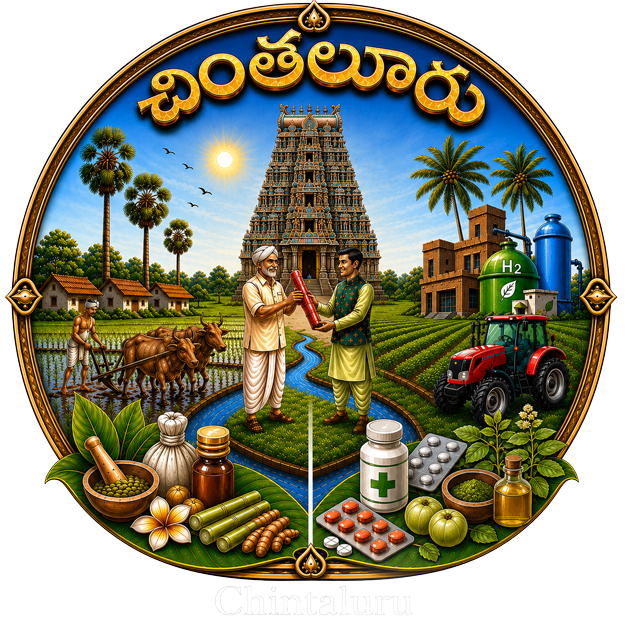
Our Roots and Resilience
A story of cultural continuity and community-driven transformation
Welcome to the
History of Chintaluru
Every village has a story. Most of it is never written down. It lives in the memory of elders, in the names of fields, in the shape of a temple gopuram, in the way a canal was dug and a boundary was drawn. It lives in the songs sung at harvest time and the prayers offered at dawn.
The history of Chintaluru is that kind of history — lived, felt, and passed from one generation to the next through the act of staying, farming, worshipping, and raising families on the same land.
This page is an attempt to honour that story.
WHERE IT ALL BEGINS
Chinta -The Tamarind That Named a Village
Before anything else, there was the tree.
The name Chintaluru comes from the Telugu word Chinta, meaning tamarind — and uru, meaning village or settlement. Chintaluru is, literally, the village of the tamarind tree.
This is not a coincidence or a poetic flourish. In earlier centuries, tamarind trees were among the most important natural landmarks of the Godavari delta landscape. Their broad canopies provided shade in the punishing summer heat. Their fruit was a staple of the kitchen — the souring agent in every dal, rasam, and chutney. Their bark and leaves served as medicine. And their thick, ancient trunks became the natural gathering spots where elders met, disputes were resolved, and the affairs of the village were discussed.
To name a village after the tamarind tree was to say: this is a place of shelter, of community, of things that have deep roots and give generously.
That meaning holds true today.
Our history
Years of Journey
History
The Barrage That Changed Everything
The construction of the Dowleswaram Barrage transformed Chintaluru's agricultural life.
Independence and a New Beginning
The dawn of Free India brought schools, roads, and land rights to the village.
The Mandal System
Alamuru Mandal was formed, bringing governance closer to the people.
The Era of National Programmes
Digital connectivity, Swachh Bharat, and women's empowerment.
Konaseema: A New Chapter
Chintaluru is placed under the Dr. B.R. Ambedkar Konaseema District.
Ayurveda
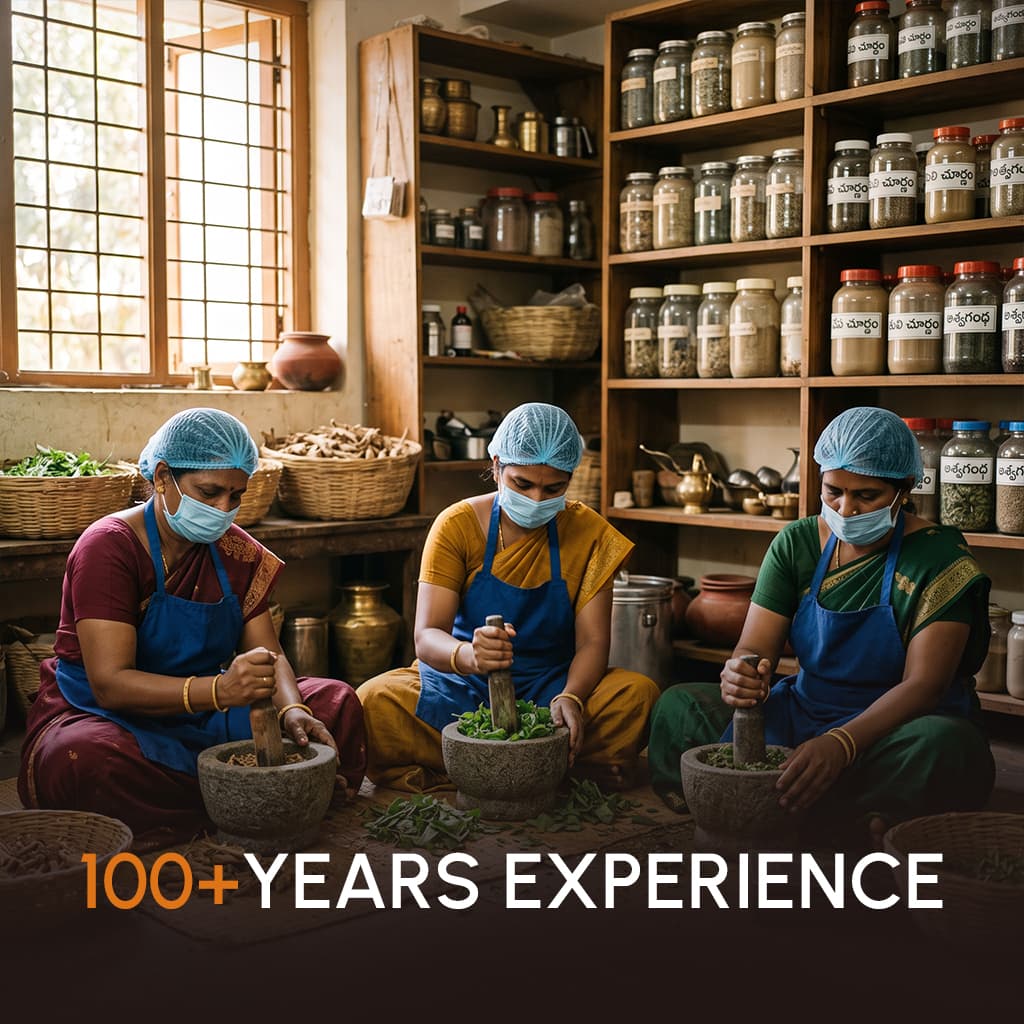
Chintaluru village, located in Alamuru Mandal, East Godavari District, Andhra Pradesh, is blessed with fertile land, greenery, and a peaceful rural environment that supports natural living.
For generations, villagers have relied on traditional Ayurvedic knowledge and herbal remedies for common health issues. The surrounding fields and backyard gardens grow medicinal plants that are used in:
• Herbal kashayams (decoctions)
• Natural oils for body pain
• Leaf-based home remedies
• Immunity-boosting herbal mixtures
• Natural cooling remedies for summer
The climate and soil of East Godavari region support the growth of medicinal plants like tulsi, neem, aloe vera, turmeric, and other native herbs.
🌿 Why Ayurveda is Important in Chintaluru
• Promotes natural and chemical-free healing
• Affordable healthcare alternative
• Passed down from elders to younger generations
• Supports healthy rural lifestyle
• Encourages organic farming practices
Ayurveda in Chintaluru is not just treatment – it is a way of life that connects people with nature.
Our People
How Chintaluru Has Always Earned Its Living
Chintaluru is and has always been a farming village. Agriculture is not one occupation among many here — it is the rhythm around which everything else organises itself. The planting season, the harvest, the festivals, the wedding calendar — all of it follows the logic of the farming year.
The majority of Chintaluru’s residents are engaged in paddy cultivation, with sugarcane, banana, chilli, and vegetables as secondary crops. Agricultural labour — working on the fields of larger landholding families — has been a source of livelihood for many households across generations.
Beyond farming, the village has always had its specialists: the temple priest, the Ayurvedic vaidya, the blacksmith and carpenter whose skills supported the agricultural community, the midwife who brought every child into the world, the schoolteacher who shaped the minds of the next generation.
In recent decades, education has opened new paths. The children and grandchildren of Chintaluru farmers have become doctors, engineers, teachers, government officials, and business people — in Rajamahendravaram, Hyderabad, and cities much further away. Many carry Chintaluru with them in memory and in love, returning for festivals, sending money home, and coming back when life allows.
This movement outward is not a loss. It is a continuation of the same drive that built this village in the first place — the drive to work hard, to build something, and to give the next generation more than you had.
THE CHARACTER OF CHINTALURU
What History Has Made of Us
History is not just dates and events. It is character. And the history of Chintaluru has shaped a community with a very particular character.
Rooted. Chintaluru’s people have a profound attachment to their land — not as property, but as identity. To be from Chintaluru is to carry the smell of its paddy fields, the sound of its temple bells, the taste of its tamarind in your memory, wherever in the world you go.
Resilient. This village has lived through drought and flood, colonial rule and independence, poverty and gradual progress. It has never broken. It has bent, adapted, and continued.
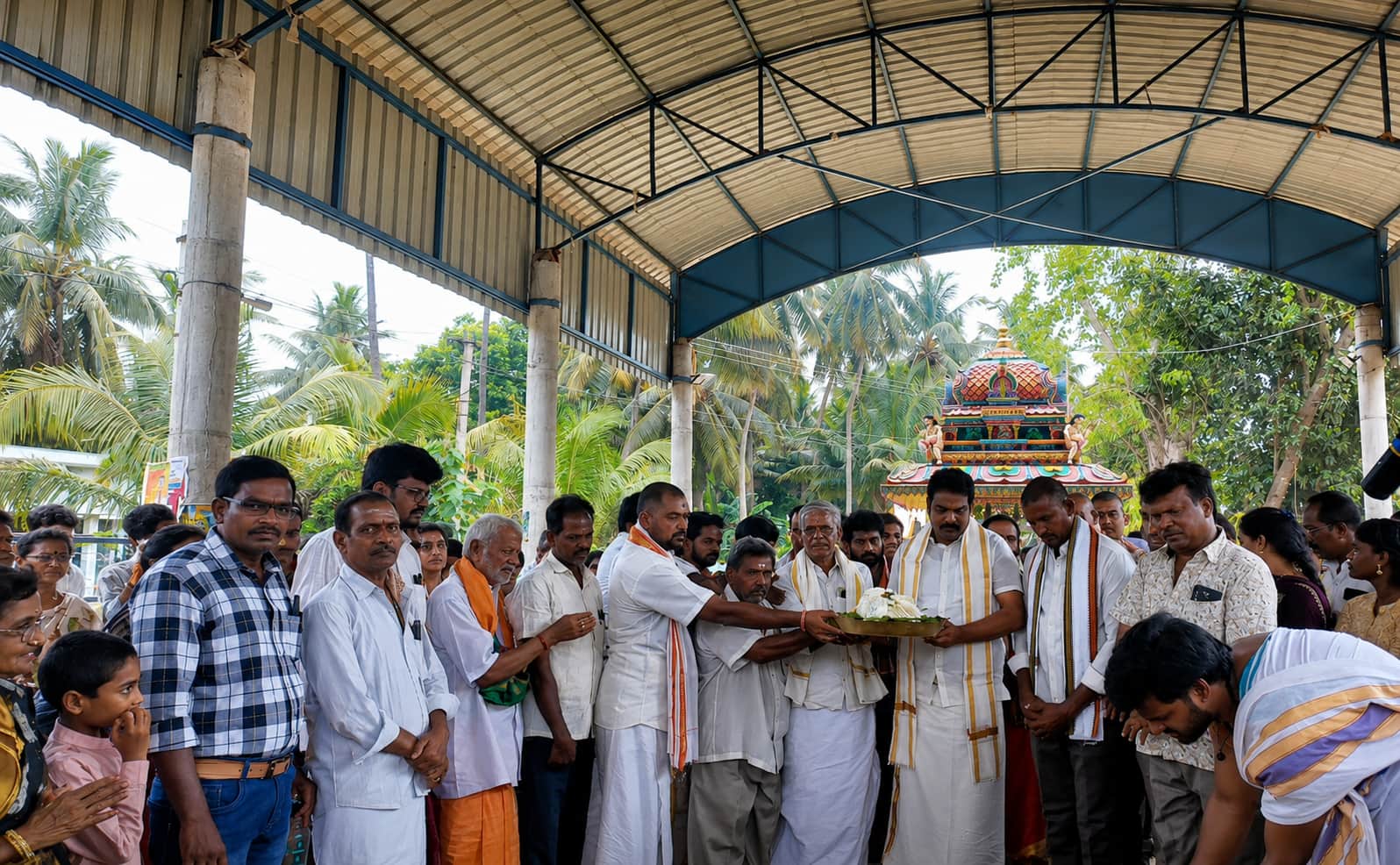
Faithful. The temple has been at the centre of Chintaluru’s life for as long as anyone can remember. The people of this village have a deep and unself-conscious faith — not a performed religion but a lived one, woven into the daily fabric of ordinary life.
Community-minded. Chintaluru has never been a village of isolated families. Its people know each other, help each other, celebrate together, and mourn together. The idea that you are responsible not just for your own household but for your neighbours and your village — this is not an ideology here. It is simply how life is lived.
These are the qualities that history has given Chintaluru. They are its greatest inheritance.
Chintaluru’s history is not finished. Every family that stays, every child that is educated, every woman who joins a Self-Help Group, every clean street, every functioning pipe that brings water to a doorstep — all of this is history being made.
The tamarind tree that gave this village its name is still here, in spirit if not always in form — still giving shade, still rooted deep, still feeding the people who live in its shadow.
We are not just the inheritors of Chintaluru’s past. We are the makers of its future.
చింతలూరు — మన ఊరు, మన గర్వంChintaluru — Our Village, Our Pride.
Ayurveda
For generations, villagers have relied on traditional Ayurvedic knowledge and herbal remedies for common health issues.
Spiritual Heritage
At the centre of our village – not just in geography, but in spirit – stands the Sree Nookambika Devi Temple. She is our mother, our protector, our reason to come together.