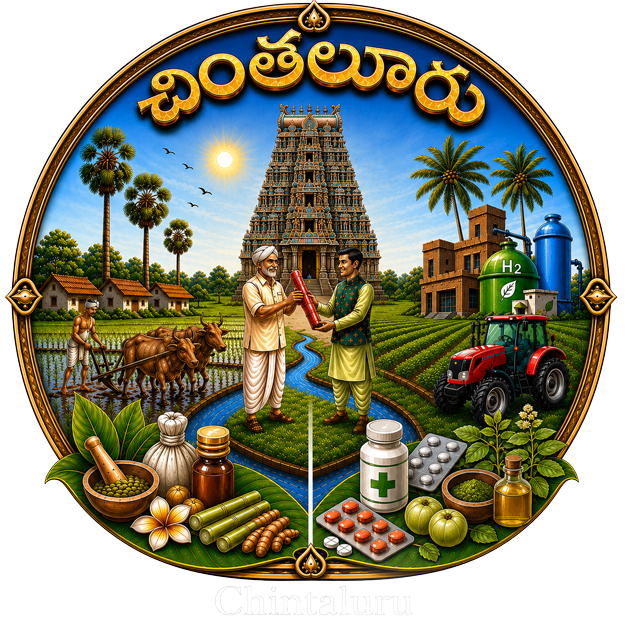
Ayurveda
Where tradition meets the wisdom of holistic living
About Ayurvedic Healing
Ancient Healing, Living Tradition
Long before there were hospitals and pharmacies, Chintaluru had its vaidyas — traditional Ayurvedic healers who knew the names and uses of every plant in the forest, every herb in the homestead garden, every root in the paddy field margin.
That knowledge did not die. It lives in our village today.
Ayurveda is not just medicine. It is a way of living — waking at the right hour, eating in tune with the season, moving the body, breathing well, knowing which leaf heals a fever and which bark soothes a wound. Chintaluru’s families carry this wisdom quietly, passed from grandmothers to mothers to daughters, from vaidya fathers to their sons.
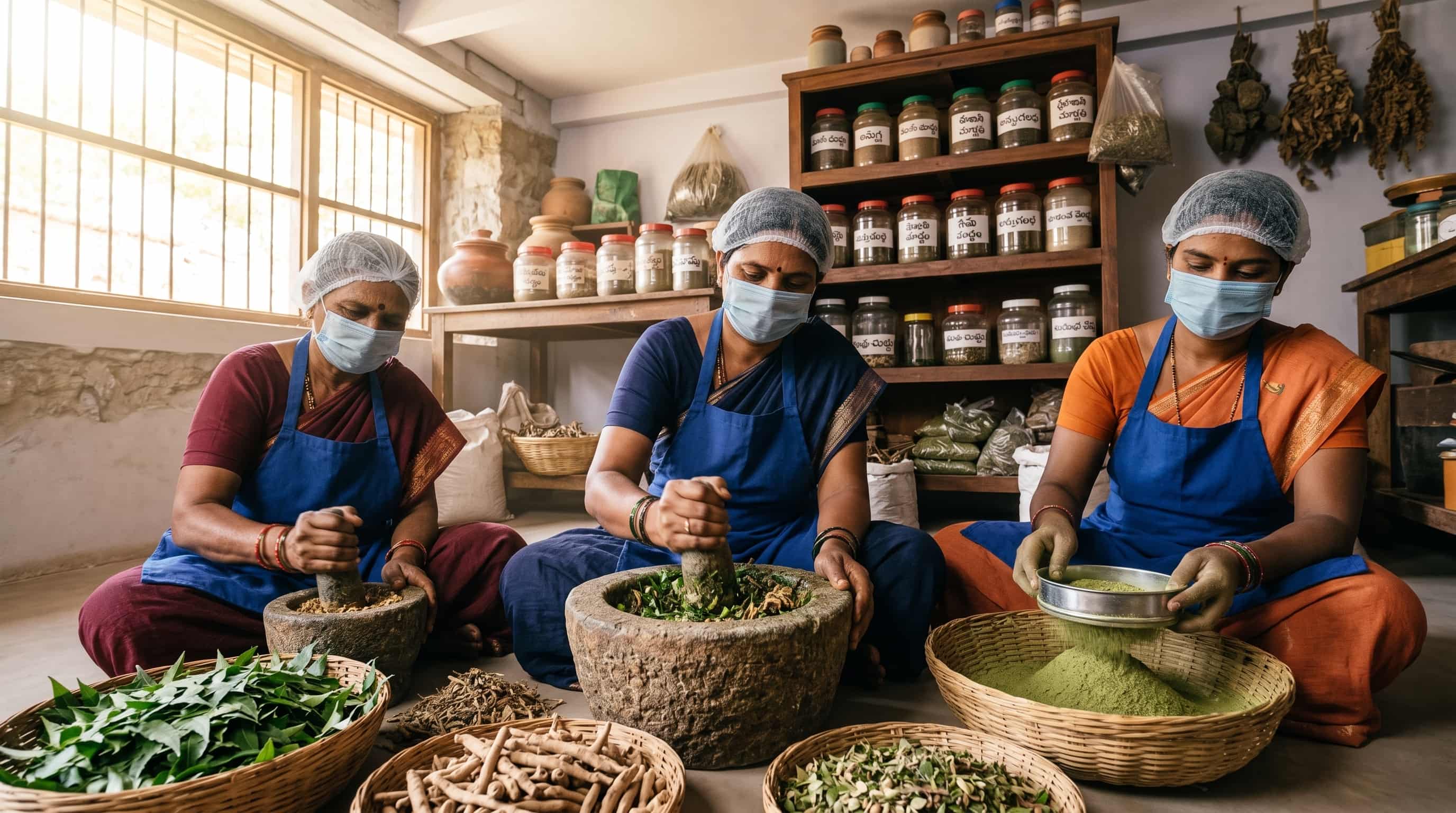
Ayurveda Institutions of Chintaluru
A Century of Trusted Ayurvedic Excellence
Venkateswara Ayurveda Nilayam Ltd.
Established in 1925, Venkateswara Ayurveda Nilayam Ltd. (VAN Ltd.) is one of Andhra Pradesh’s oldest and most respected Ayurvedic institutions. Founded by Vaidyaraja Sri Dwibhashyam Venkateswarlu, the institution was established with a vision to preserve the authentic principles of Ayurveda while making traditional healthcare accessible to society.
For nearly a century, VAN Ltd. has been manufacturing a wide range of classical Ayurvedic formulations, including Arishtas, Asavas, Churnas, Lehyas, Tailas, Vatis, Rasoushadhis, and proprietary medicines, prepared according to classical Ayurvedic principles. The institution combines traditional preparation methods with modern quality standards to ensure purity, safety, and effectiveness.
Classical Ayurvedic formulations may include carefully purified herbal, mineral, and metallic preparations (Bhasmas). Some traditional medicines contain Swarna Bhasma (Gold), Rajata Bhasma (Silver), Lauha Bhasma (Iron), Tamra Bhasma (Copper), Abhraka Bhasma (Purified Mica), Pravala Bhasma (Coral Calcium), and Mukta Bhasma (Pearl Calcium). These ingredients are purified and processed following traditional Ayurvedic methods before being used in specific formulations.
Today, VAN Ltd. continues to produce medicines that support digestive health, immunity, respiratory wellness, joint care, skin health, women’s wellness, and general rejuvenation while preserving Chintaluru’s proud Ayurvedic heritage.
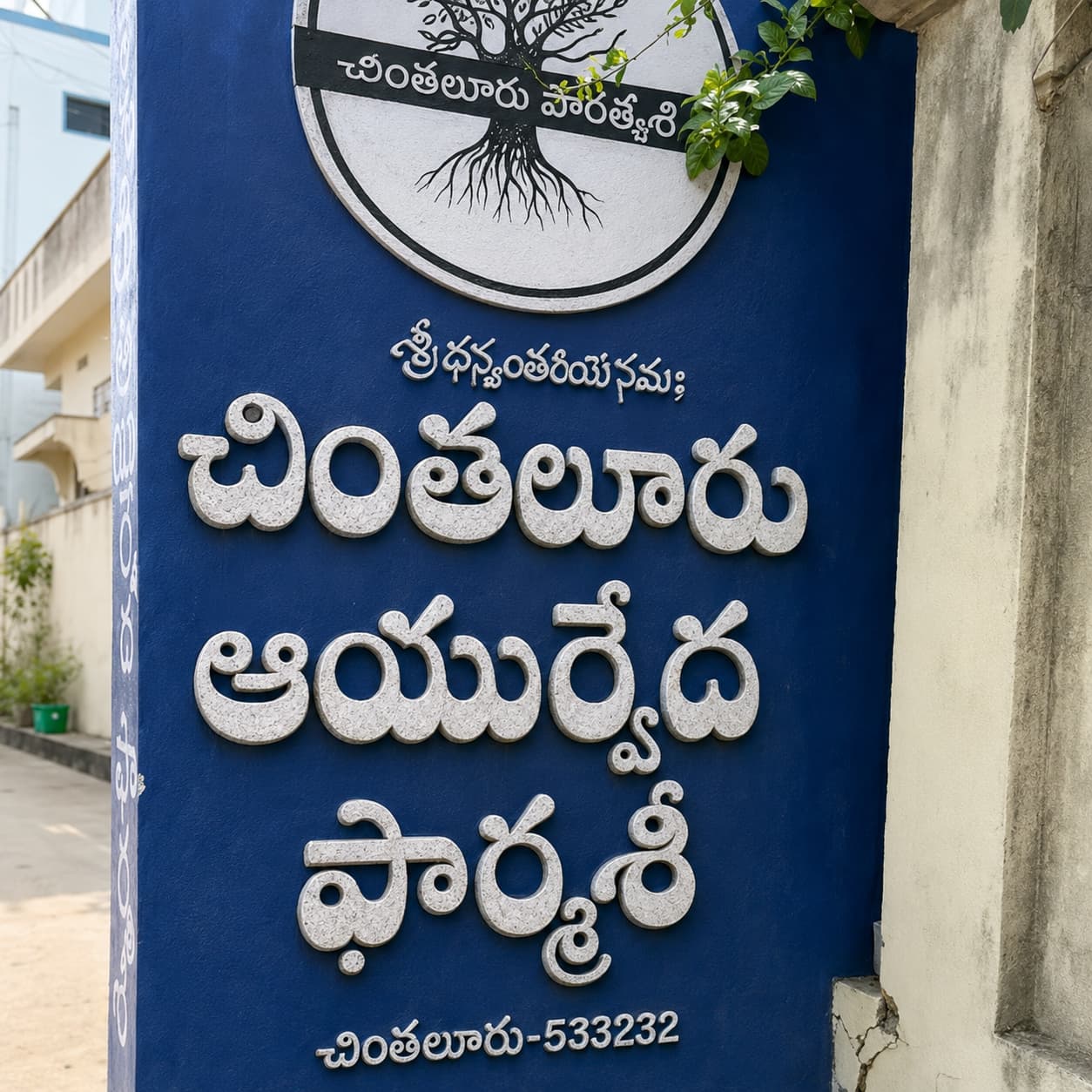
Continuing a Legacy of Natural Healing
Chintaluru Ayurveda
Chintaluru Ayurveda carries forward the village’s rich tradition of Ayurvedic healing by combining centuries-old knowledge with a commitment to quality and holistic wellness. Rooted in the philosophy that health is achieved through harmony between the body, mind, and nature, the institution continues to preserve the principles that have made Chintaluru synonymous with Ayurveda.
Its range of Ayurvedic products includes traditional herbal formulations prepared from carefully selected medicinal plants, roots, barks, flowers, fruits, seeds, and natural minerals. In accordance with classical Ayurvedic practices, selected formulations may also include purified mineral and metallic preparations (Bhasmas), processed using traditional purification techniques.
Through its dedication to authenticity, quality, and traditional knowledge, Chintaluru Ayurveda continues to strengthen the village’s reputation as a center of Ayurvedic excellence, carrying forward a legacy of healing that has benefited generations.
Metals Used in Ayurveda
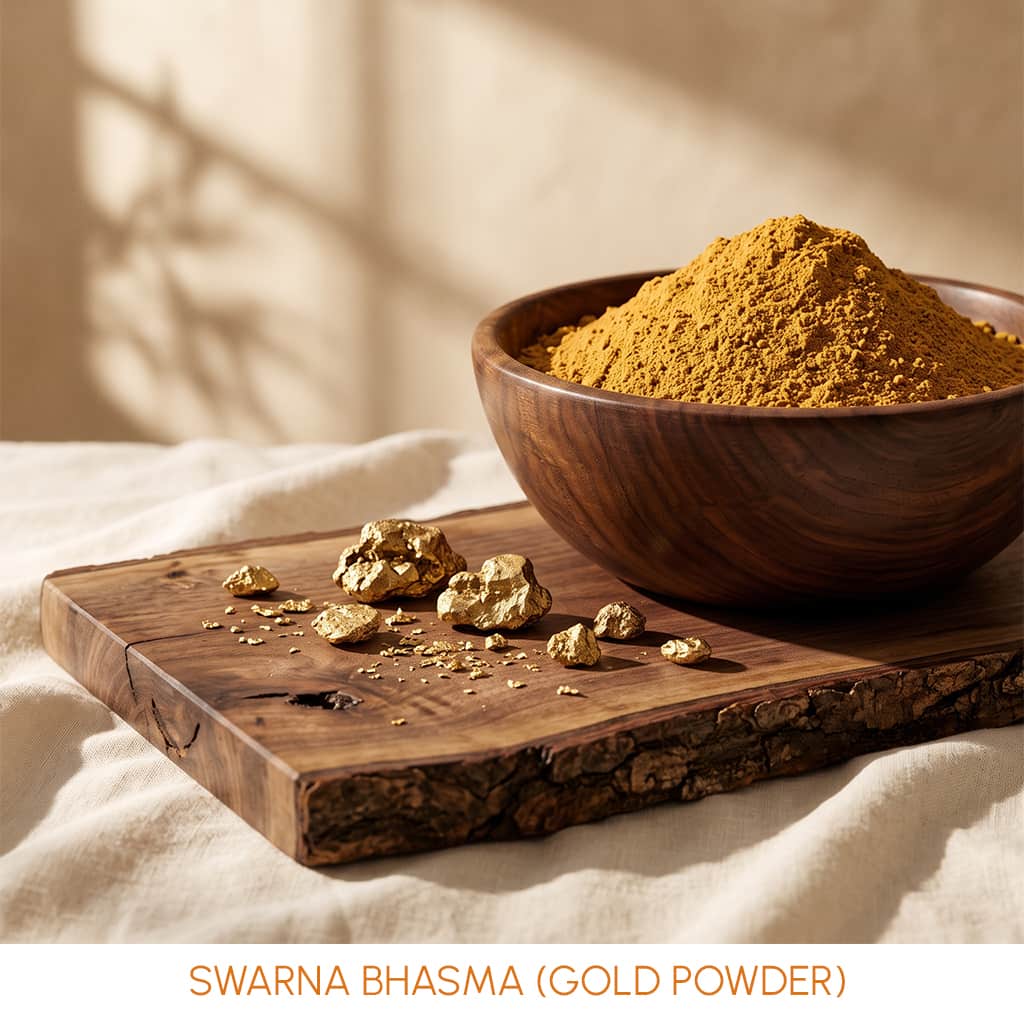
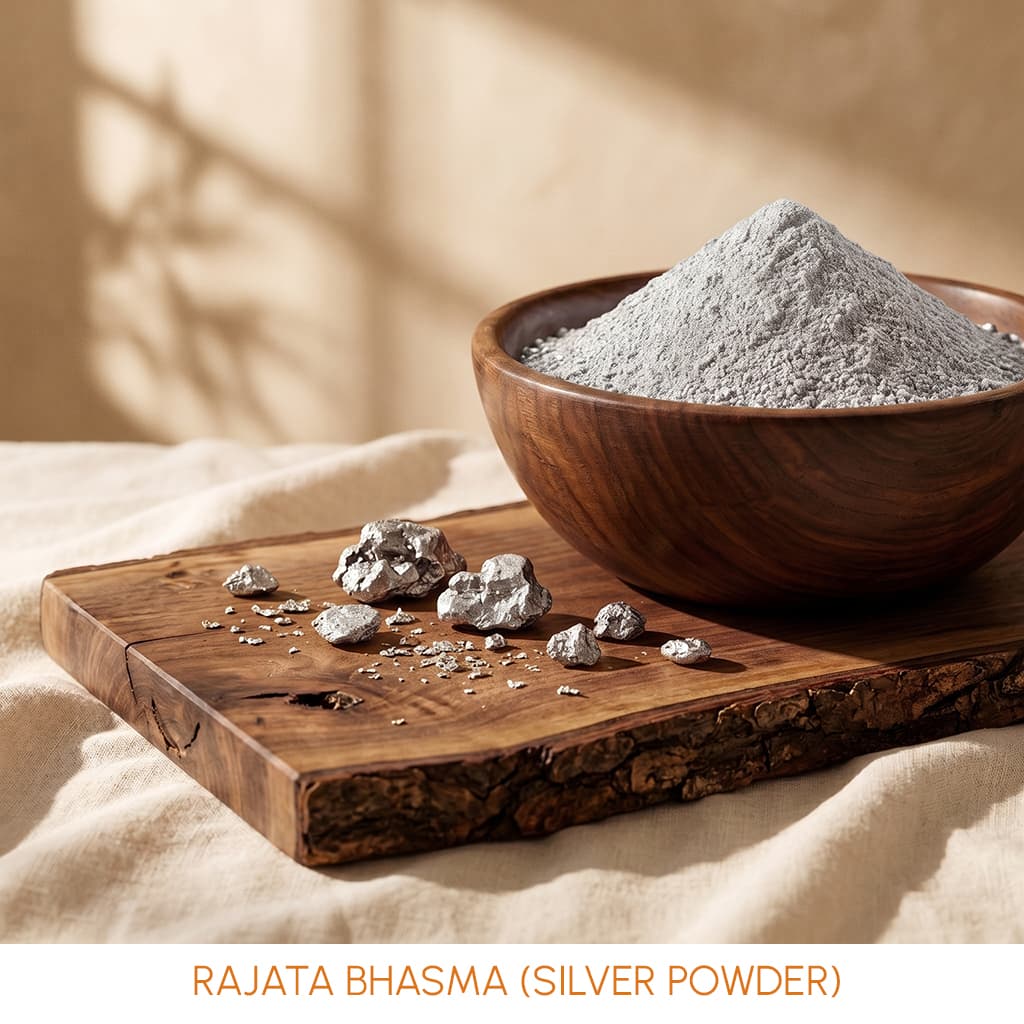
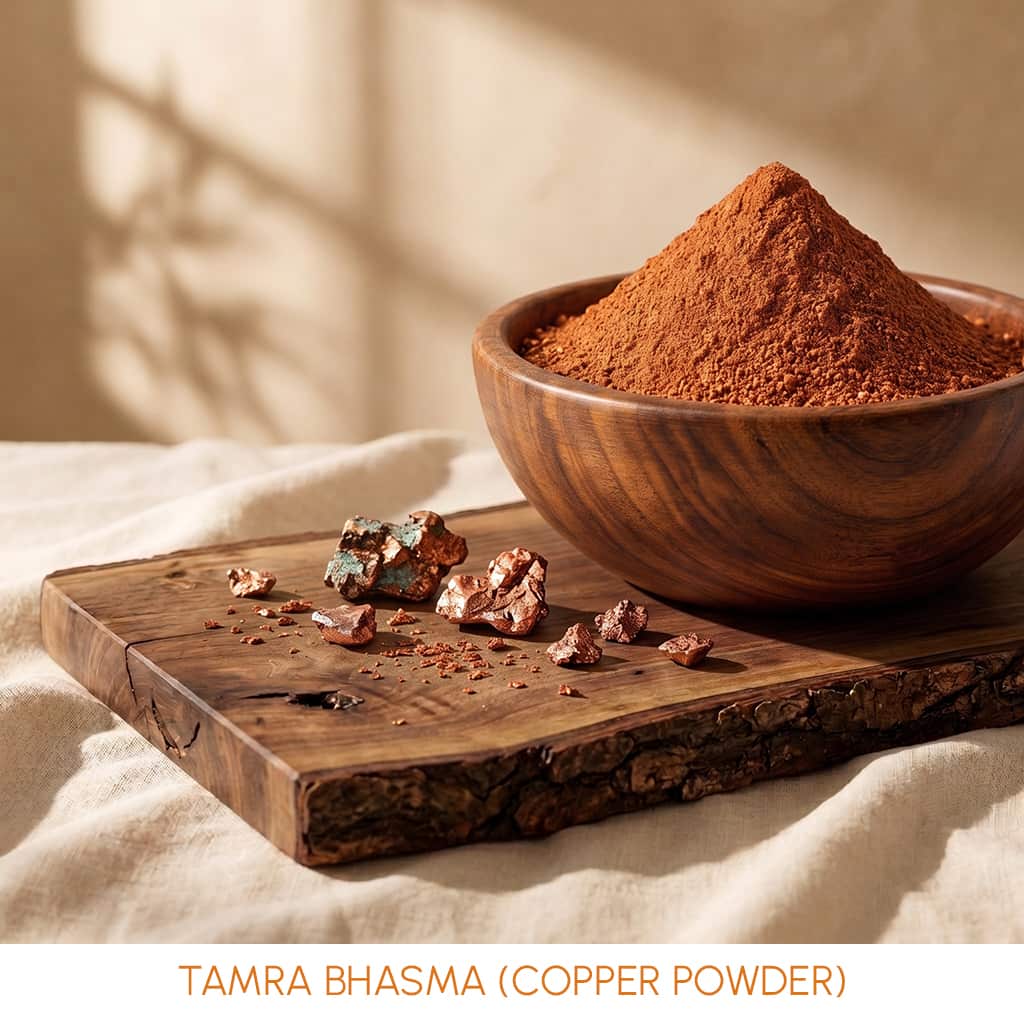
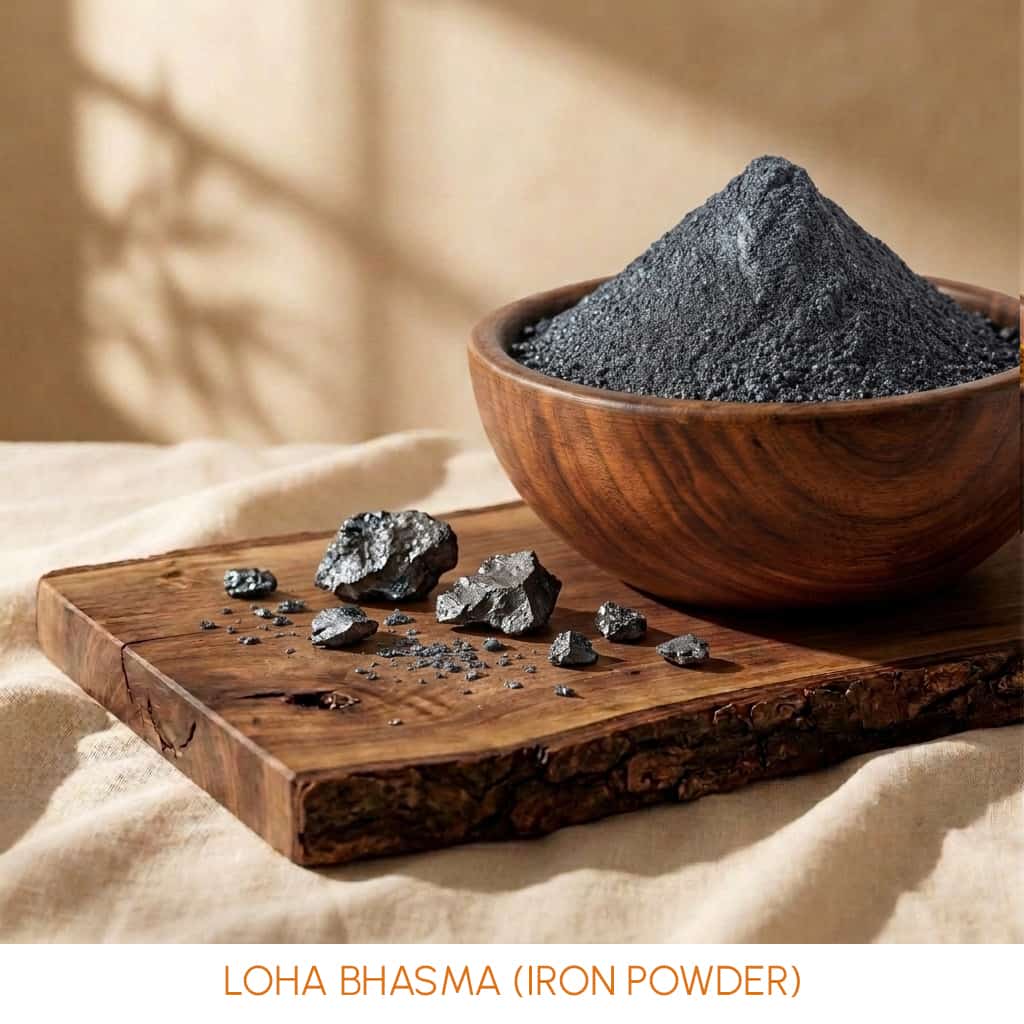
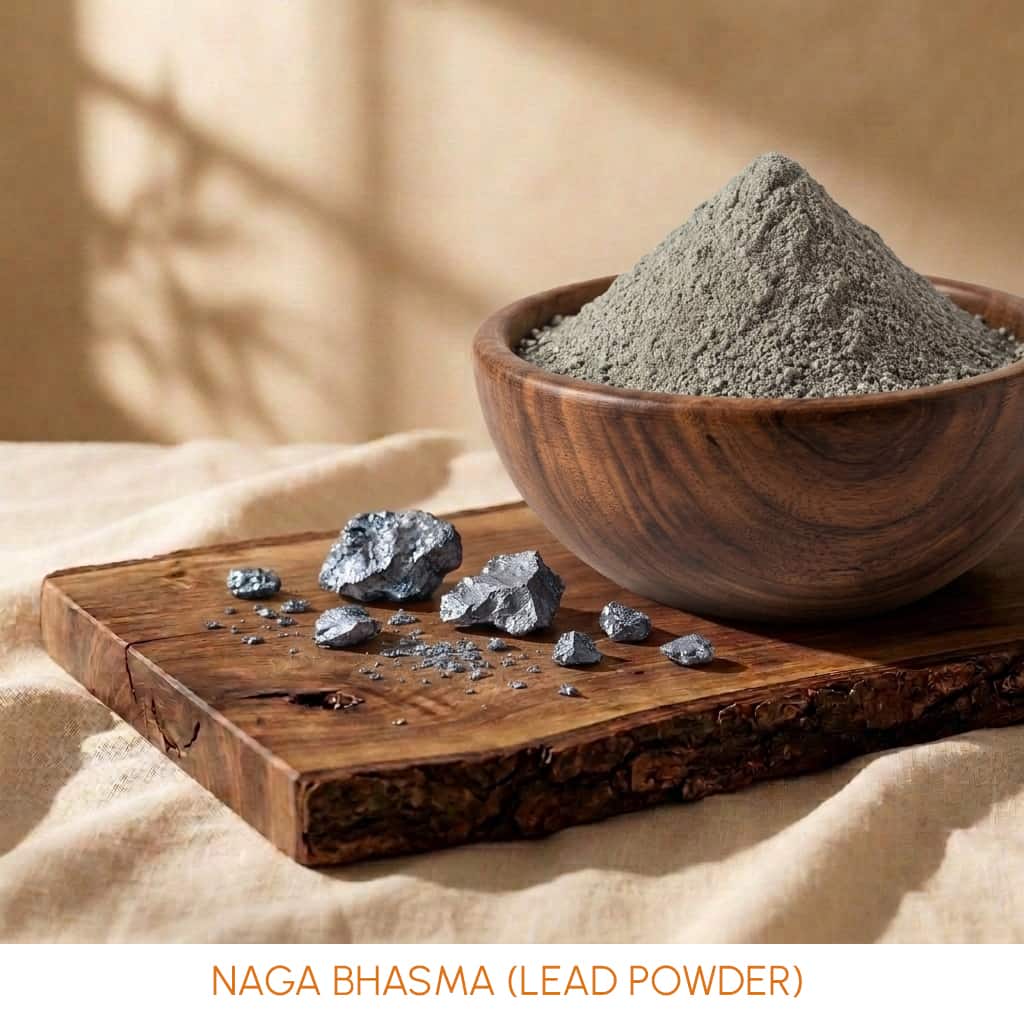
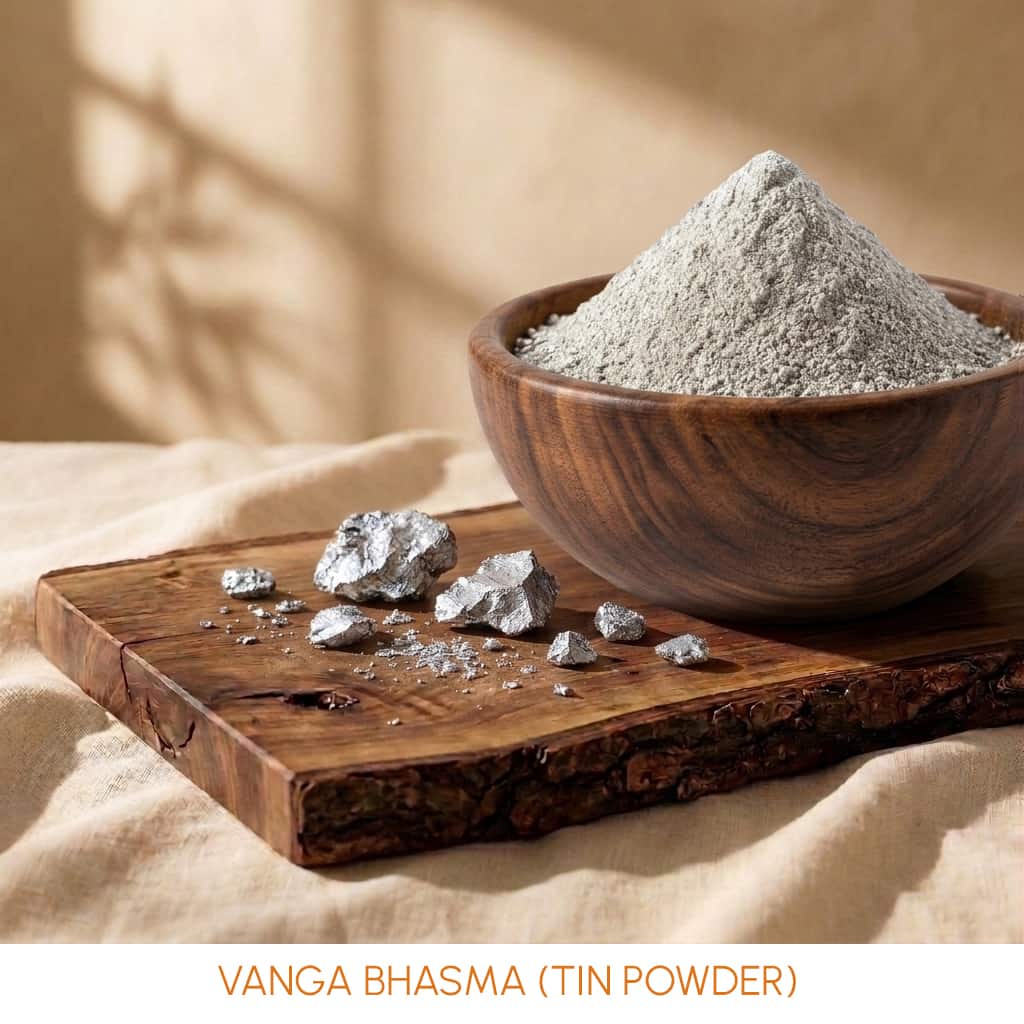
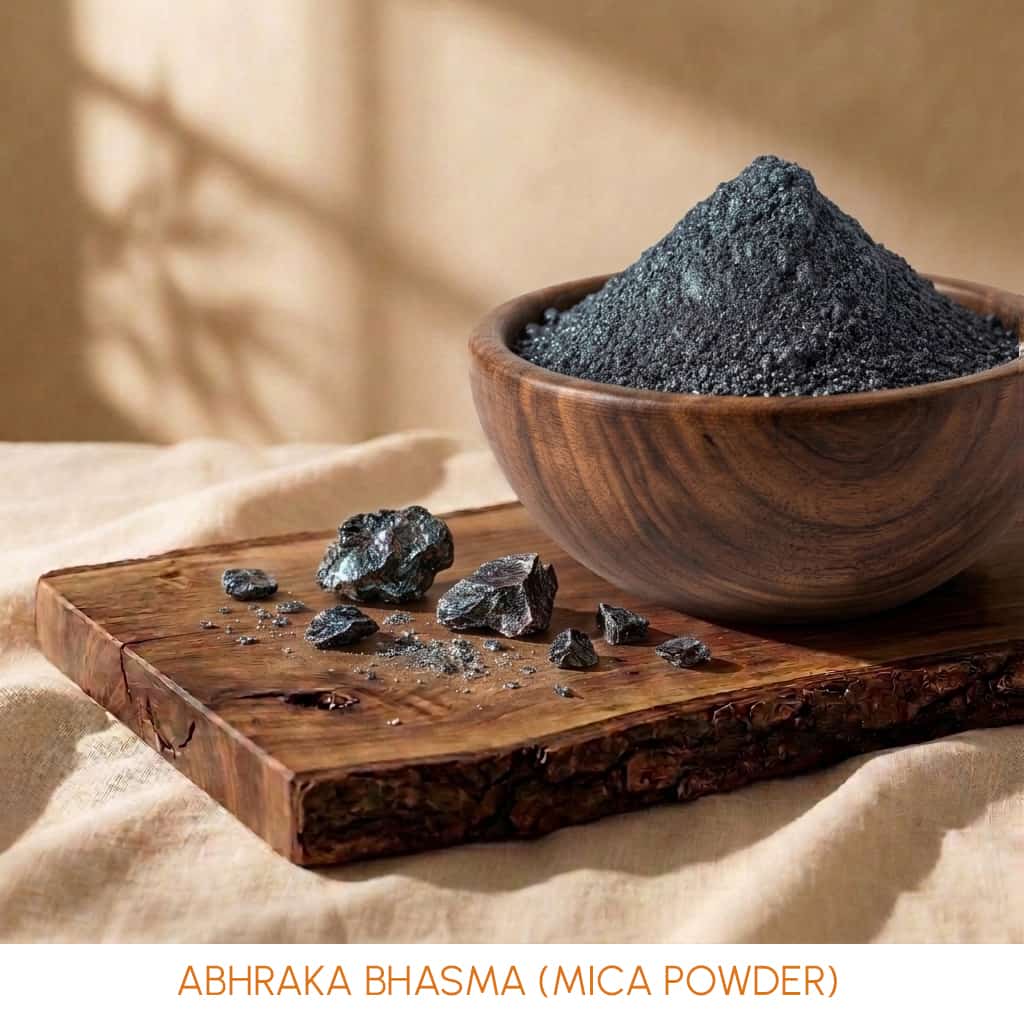
In Ayurveda, metals are processed into a form called bhasma (calcined ash) before they’re considered safe to consume. Raw metals are toxic, so the entire point of processing is to convert them into a bioavailable, non-toxic form.
Commonly Used Metals
- Swarna Bhasma (Gold) — Used for immunity, brain tonics, and rejuvenation (rasayana) formulas.
- Rajata Bhasma (Silver) — Used for nervous system and cooling formulations.
- Tamra Bhasma (Copper) — Used in liver and digestive formulations.
- Loha Bhasma (Iron) — Used for anemia and blood-building formulas.
- Naga Bhasma (Lead) and Vanga Bhasma (Tin) — Traditionally used for reproductive and urinary formulations — though these are far more controversial today given lead/tin toxicity risks.
- Abhraka Bhasma (Mica) — Technically a mineral, not a metal, but processed the same way and used for respiratory and rejuvenation formulas.
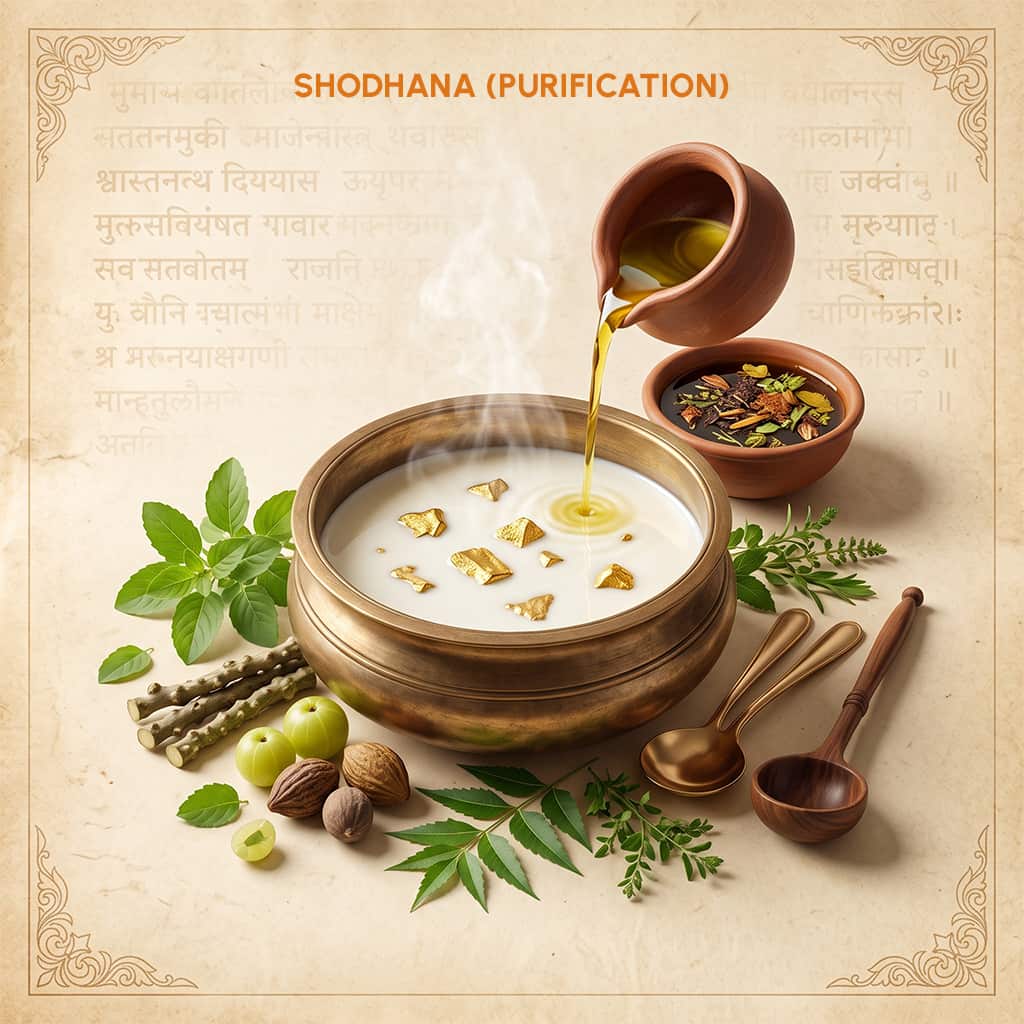
Shodhana (Purification)
The raw metal is repeatedly heated and quenched in substances like cow’s urine, buttermilk, or herbal decoctions to remove impurities and reduce initial toxicity.
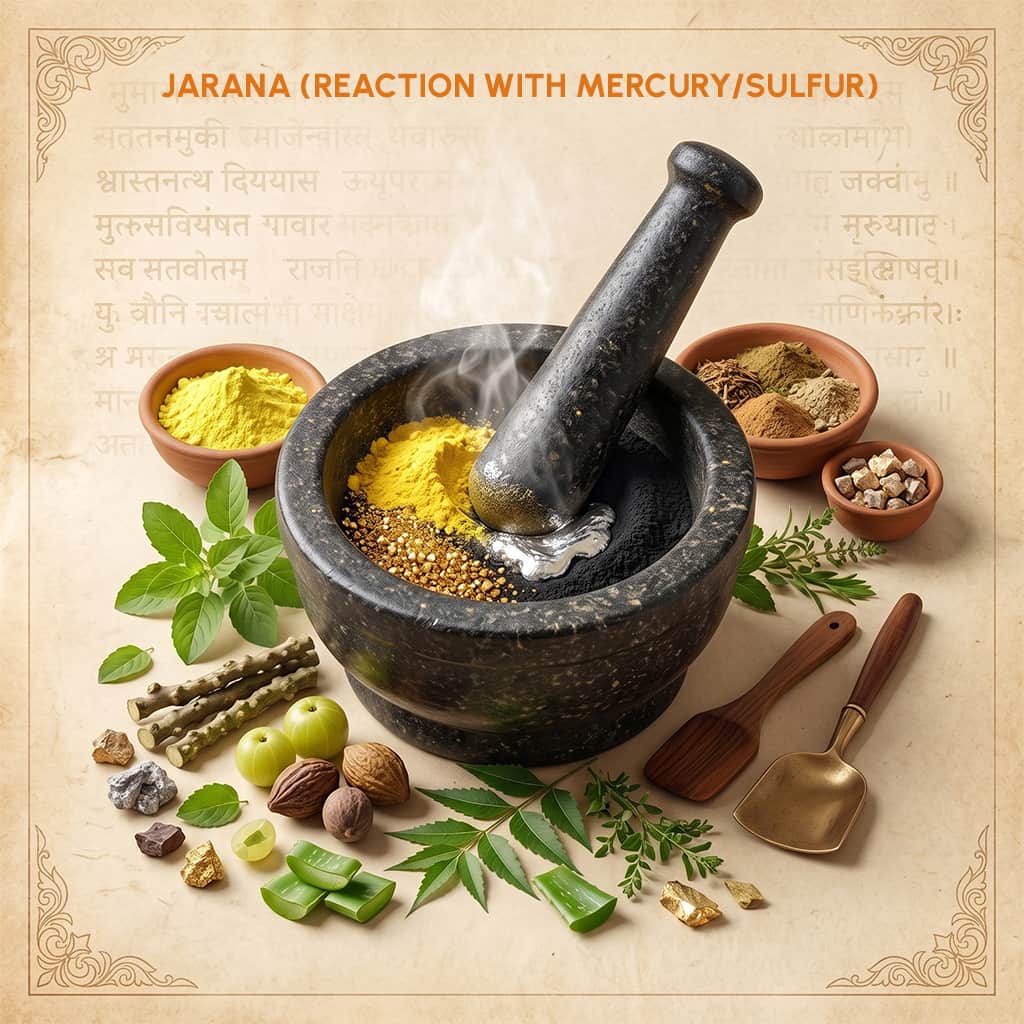
Jarana (Reaction with Mercury/Sulfur)
In some processes, the purified metal is combined with processed mercury and sulfur compounds.
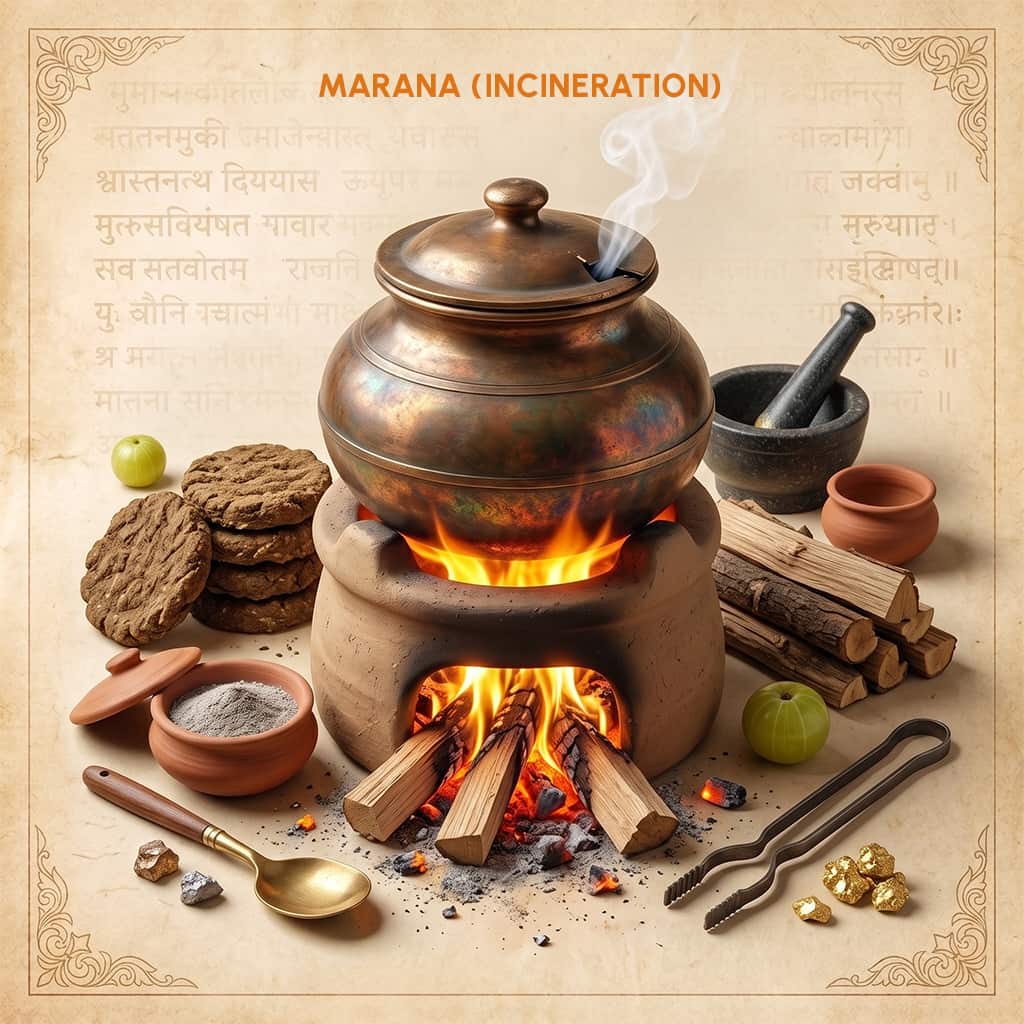
Marana (Incineration)
The metal is made into thin sheets, layered with herbal juices or pastes, dried, and repeatedly heated in a sealed clay crucible (puta) in a controlled furnace or cow-dung cake fire — sometimes for dozens of cycles — until it converts into a fine, non-metallic ash-like powder.
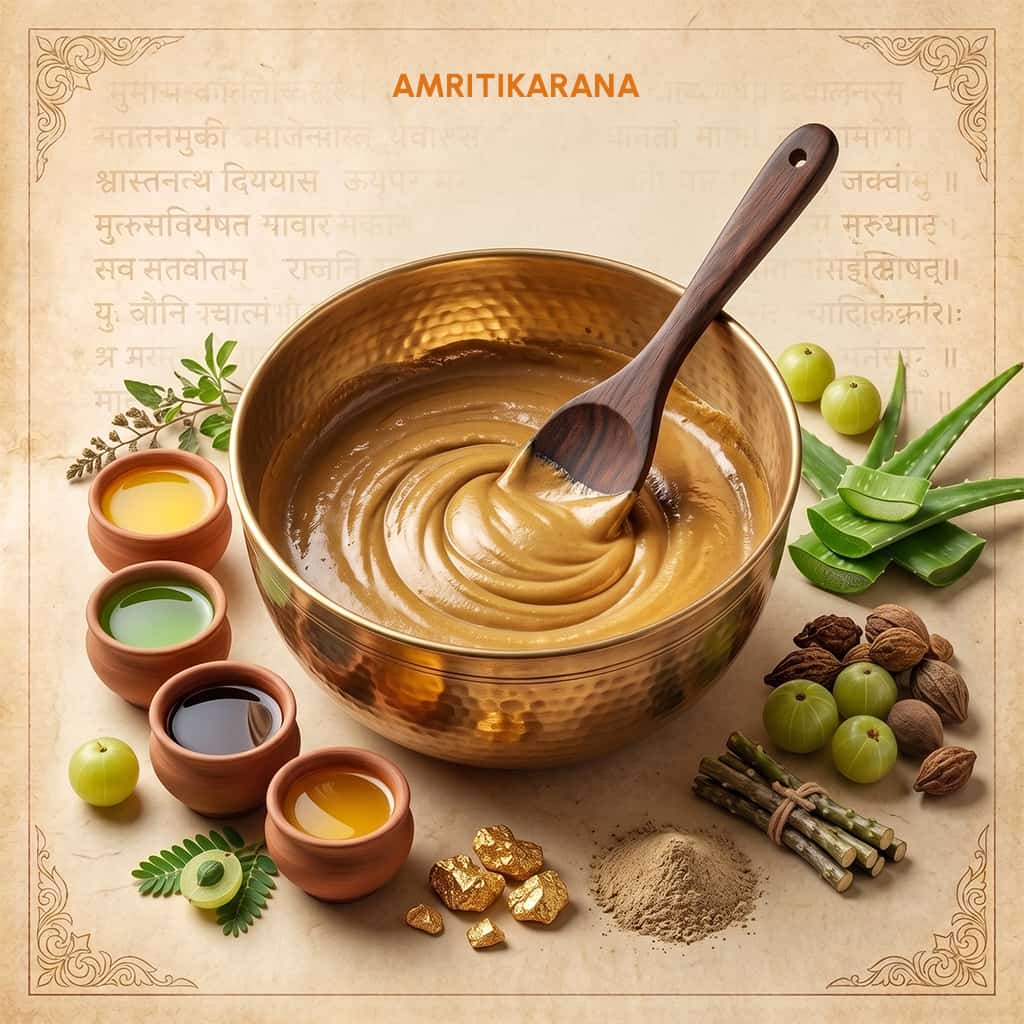
Amritikarana
A final purification step to make the bhasma fully “nectar-like” and ready for consumption.
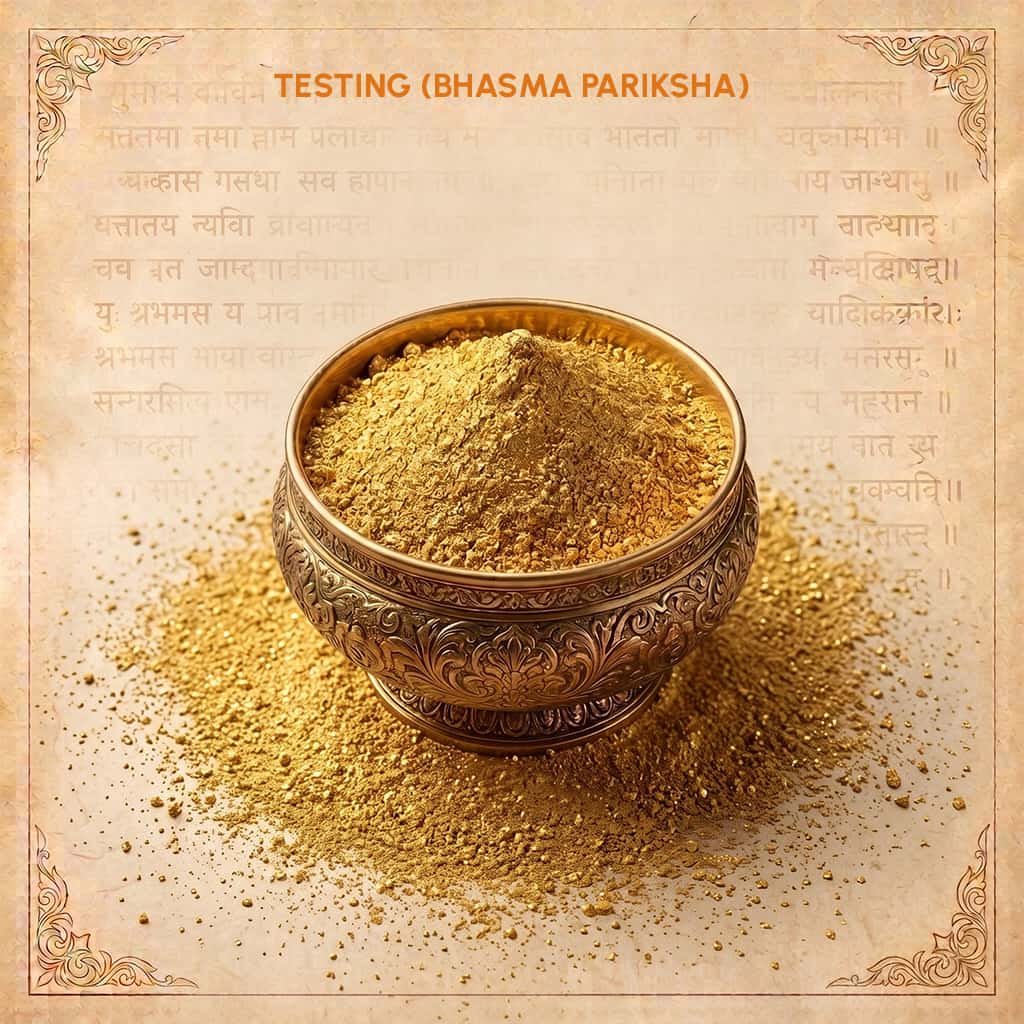
Testing (Bhasma Pariksha)
Traditional tests confirm the ash is fine enough to float on water, shows no metallic luster, and has no grittiness — confirming full conversion.
A Note of Caution
Modern lab testing has found some commercially sold bhasmas contain unsafe levels of lead, mercury, or arsenic if not properly processed. Quality and source matter greatly. If considering taking one, it’s worth checking with a qualified Ayurvedic practitioner and looking for products tested by accredited labs rather than self-prescribing.
How Metals Are Made Edible
Shodhana + Marana Process
Plants used in Ayurveda
The land of Chintaluru is itself a pharmacy. Look around any household and you will find:

Neem (Vepa)
The village tree giving leaves for skin, bark for teeth cleaning, and flowers eaten during Ugadi.
Turmeric (Pasupu)
The golden root used in every meal and wound. Anti-inflammatory, antiseptic, and considered sacred by all.
Tulasi (Holy Basil)
Grows at every doorstep, the first medicine a mother reaches for. Protects families from fevers, coughs, colds.
Tamarind (Chinta)
Our village tree used for fever, aiding digestion, and cooling the body during hot summer months.
Castor (Amudam)
Traditionally used for joint pain, skin care, and as a hair treatment that grandmothers still recommend.
Drumstick (Munagakaya)
Leaves, flowers, and pods among the world’s most nutritious foods, long celebrated for their Ayurvedic benefits.
Plants Used in Ayurveda
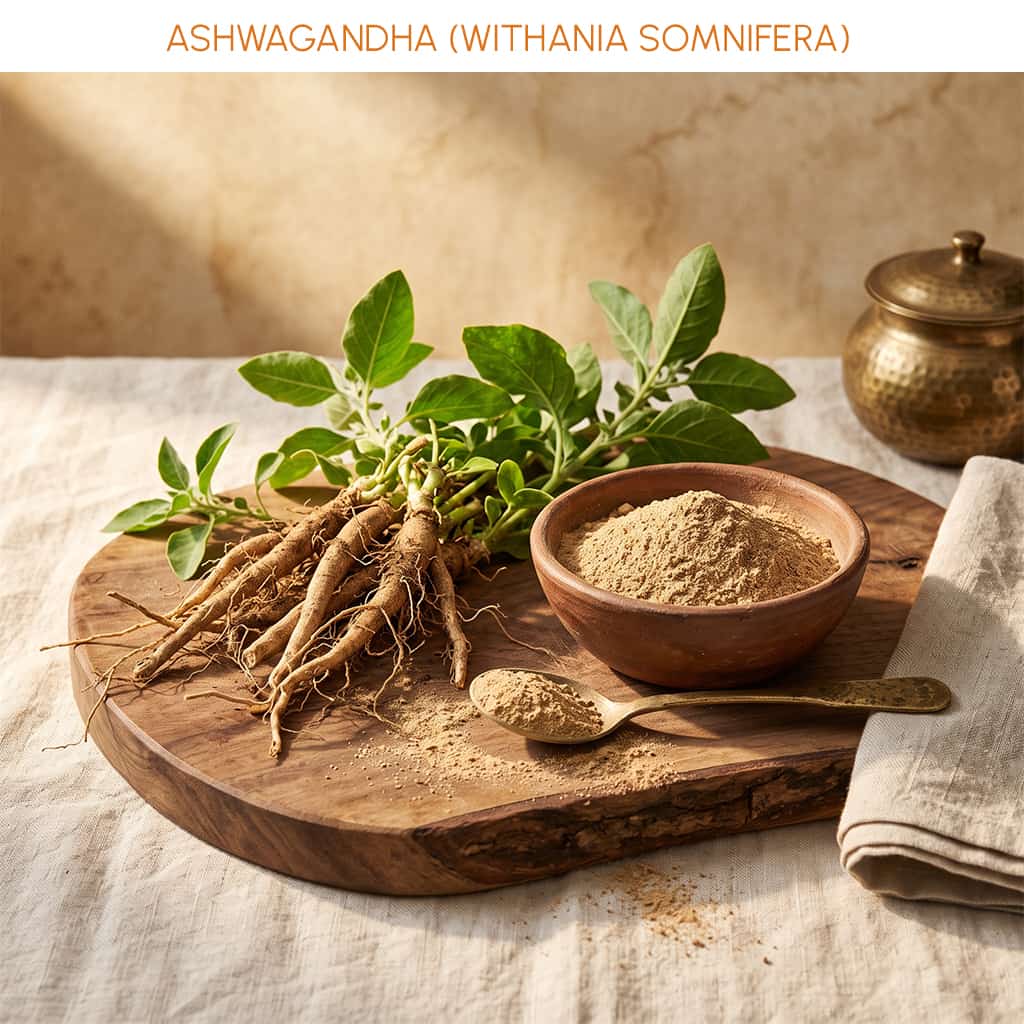
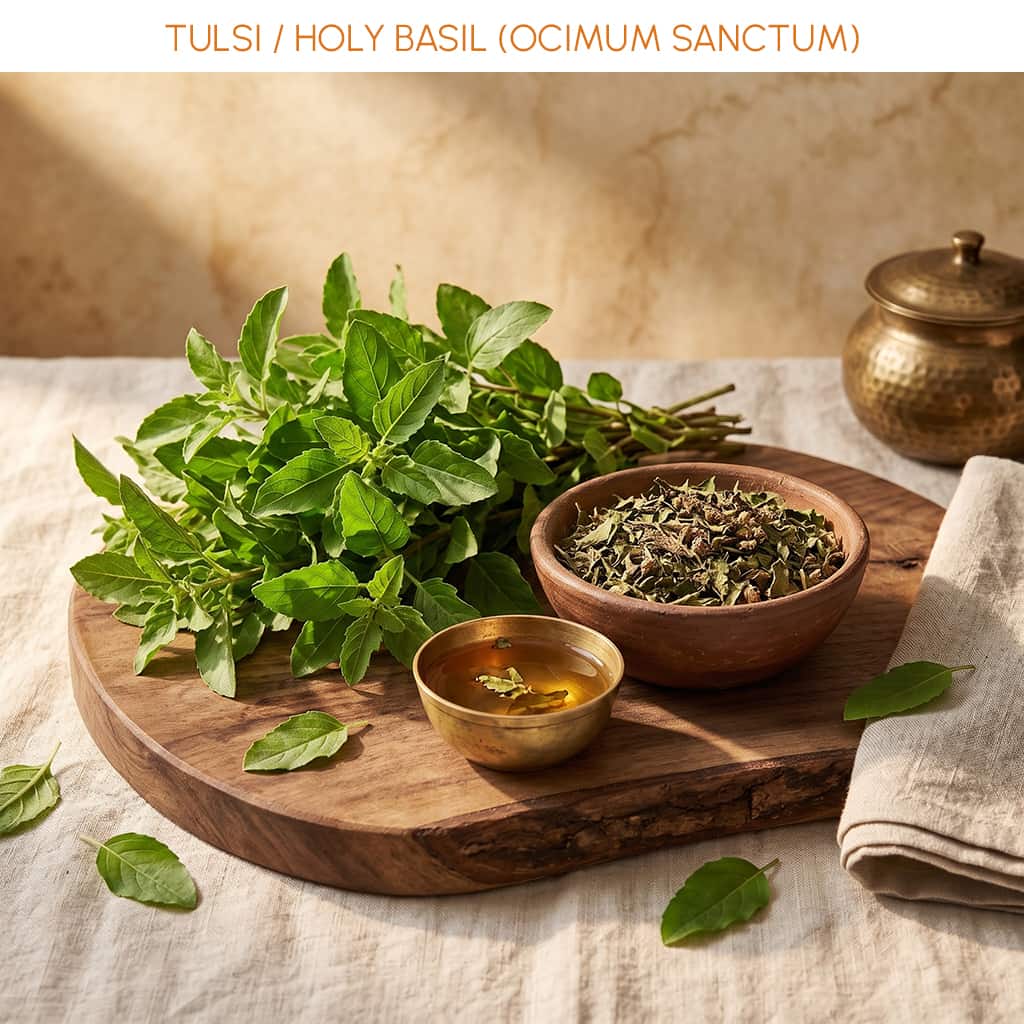
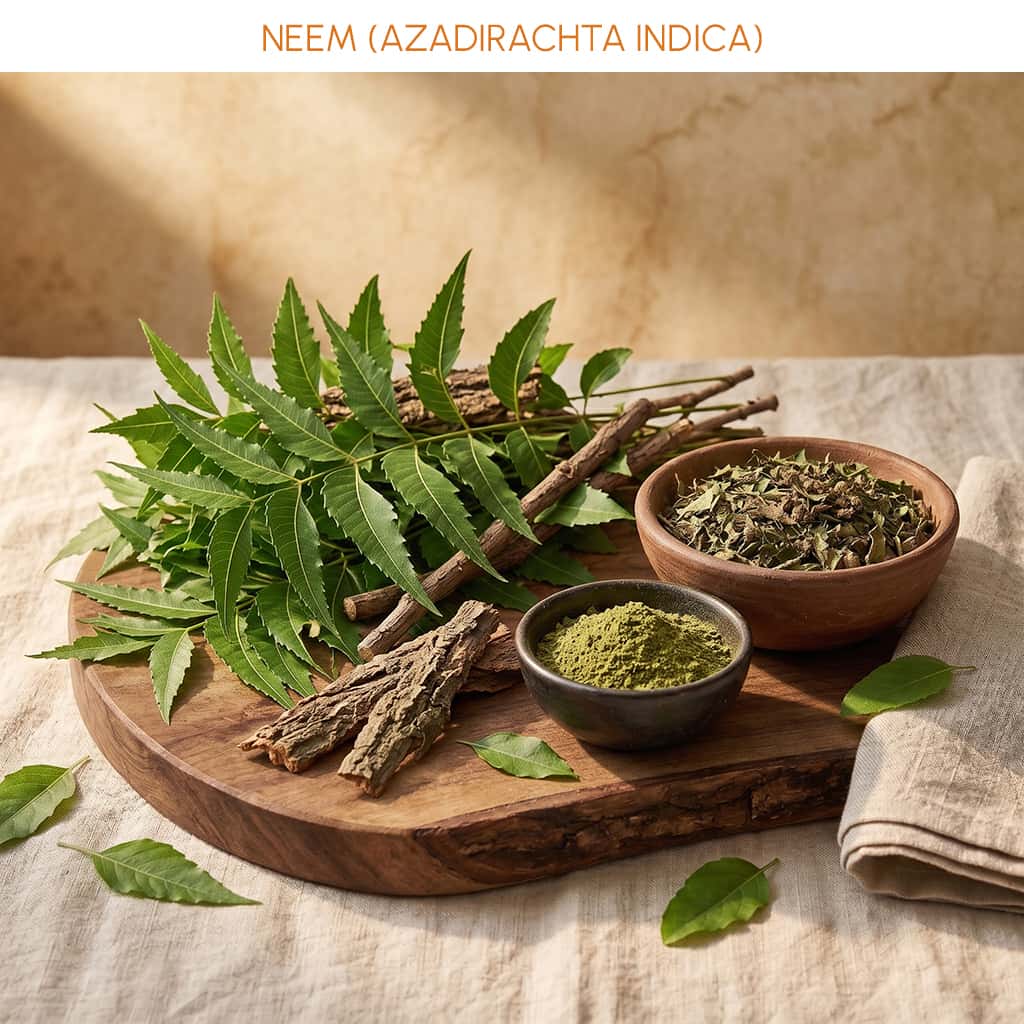
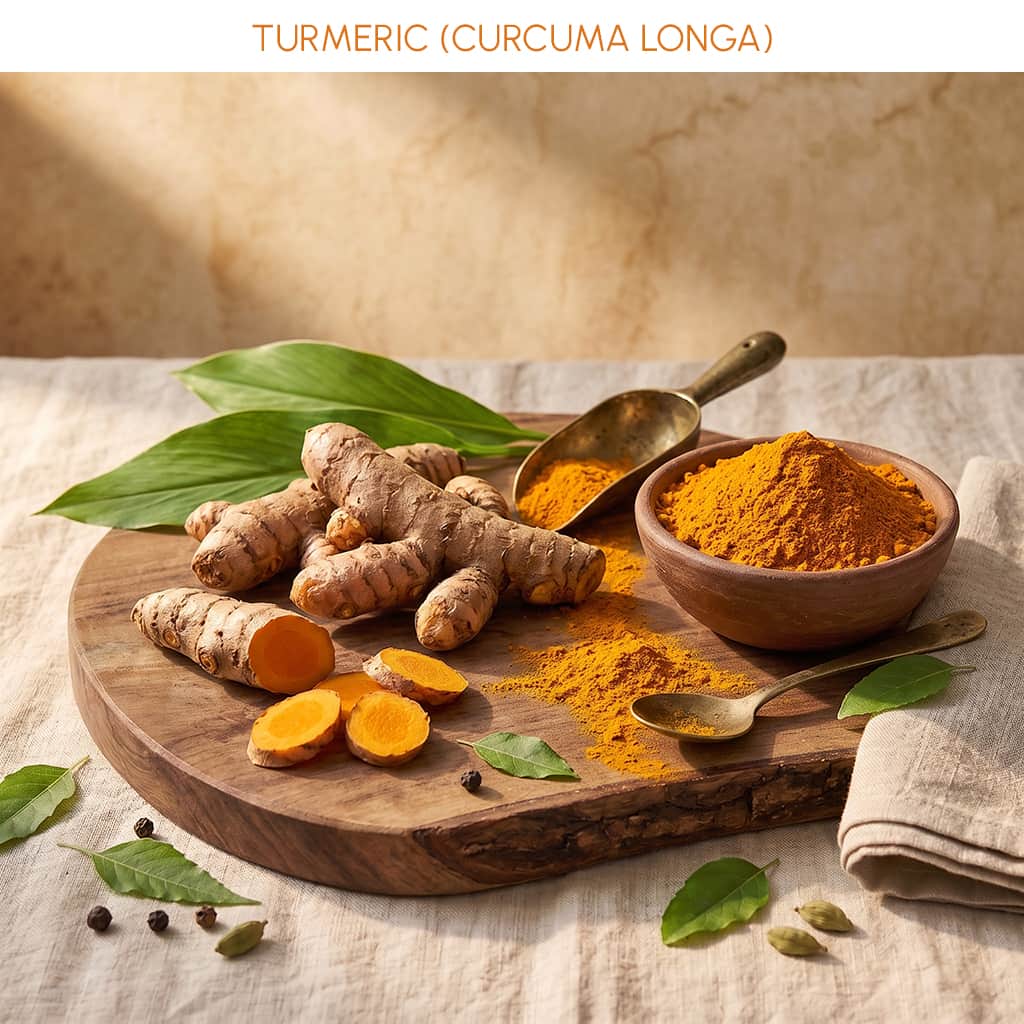
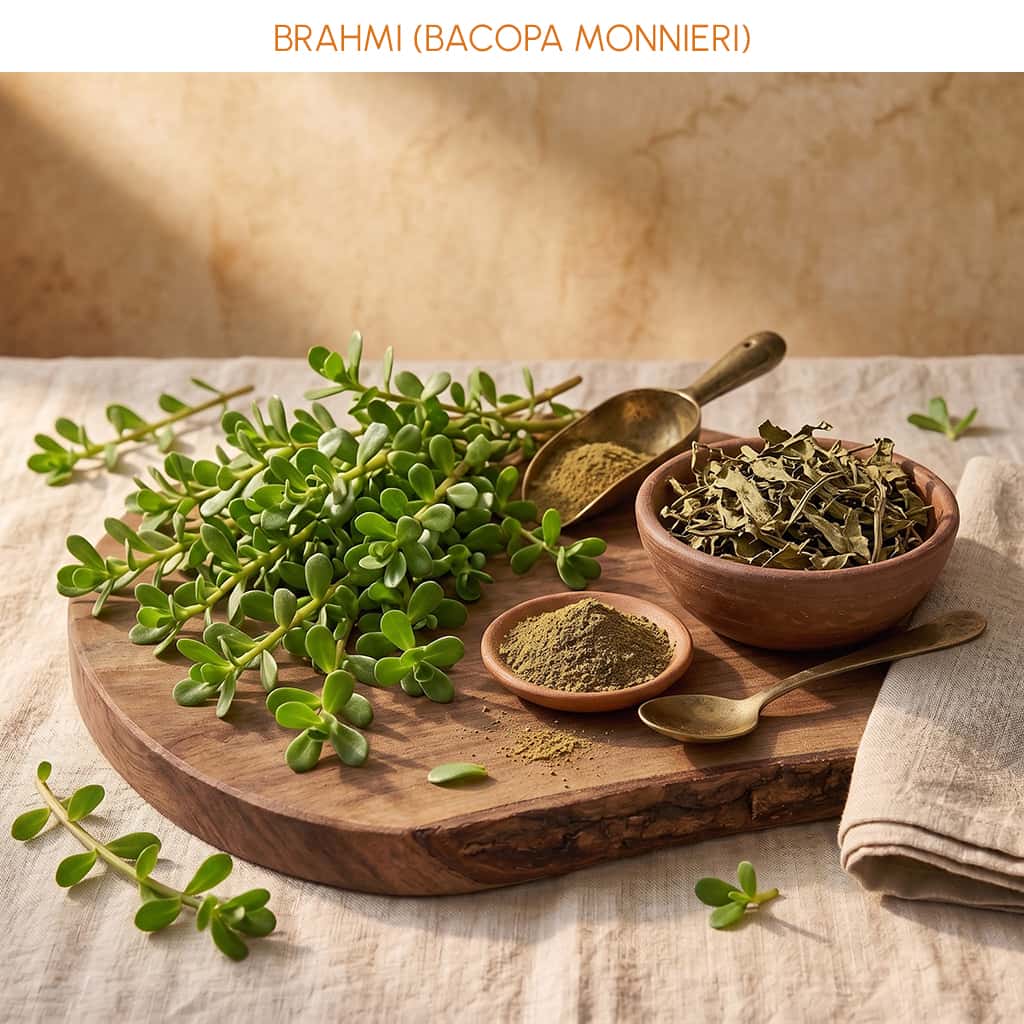
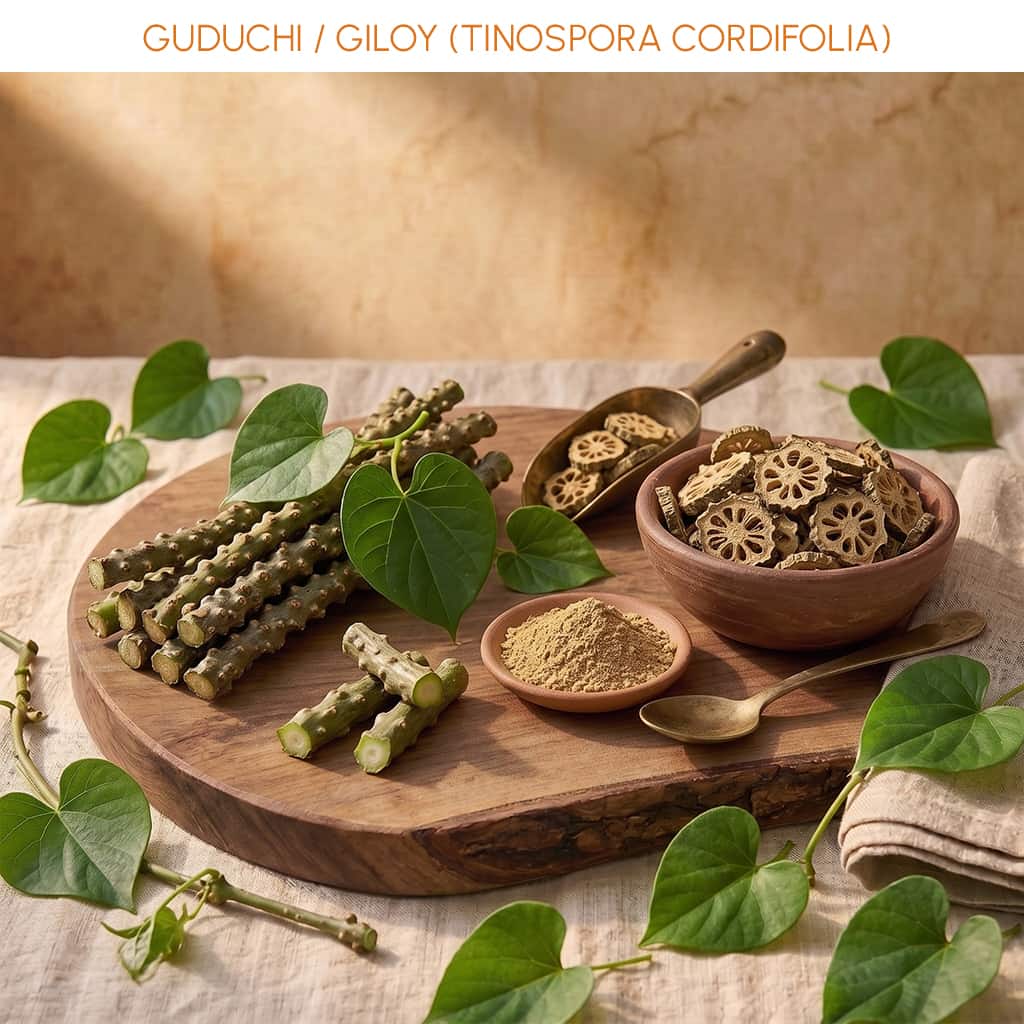
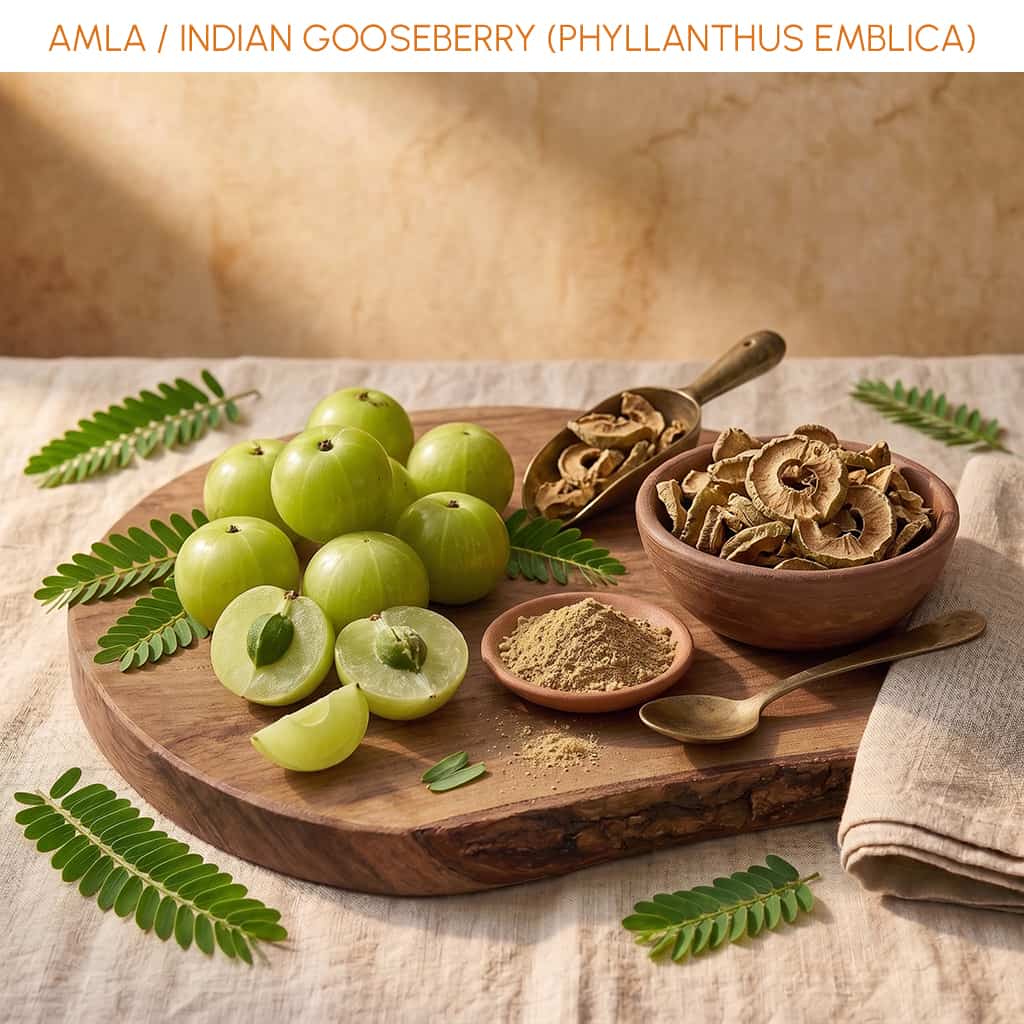
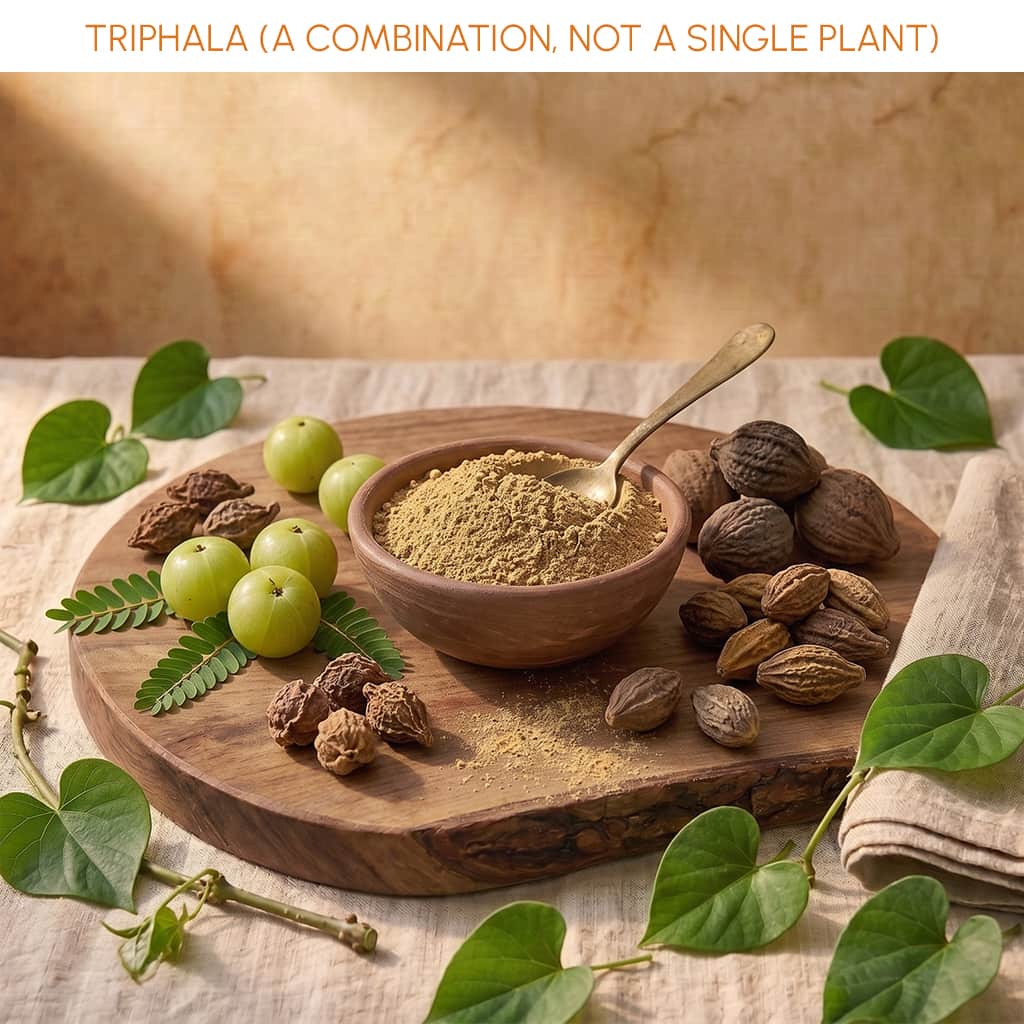
Alongside minerals and metals, Ayurveda relies heavily on medicinal plants — used fresh, dried, or processed into various preparations.
Commonly Used Plants
- Ashwagandha (Withania somnifera) — Root used as a rasayana (rejuvenative) — for stress, energy, and strength.
- Tulsi / Holy Basil (Ocimum sanctum) — Leaves used for respiratory health, immunity, and as a daily wellness herb.
- Neem (Azadirachta indica) — Leaves and bark used for skin conditions and blood purification.
- Turmeric (Curcuma longa) — Rhizome used for inflammation, wound healing, and digestion.
- Brahmi (Bacopa monnieri) — Whole plant used for memory, focus, and nervous system support.
- Guduchi / Giloy (Tinospora cordifolia) — Stem used for immunity and fever management.
- Amla / Indian Gooseberry (Phyllanthus emblica) — Fruit used for immunity, vitamin C content, and as a key ingredient in Chyawanprash.
- Triphala (a combination, not a single plant) — Blend of Amla, Bibhitaki, and Haritaki fruits — used for digestion and detoxification.
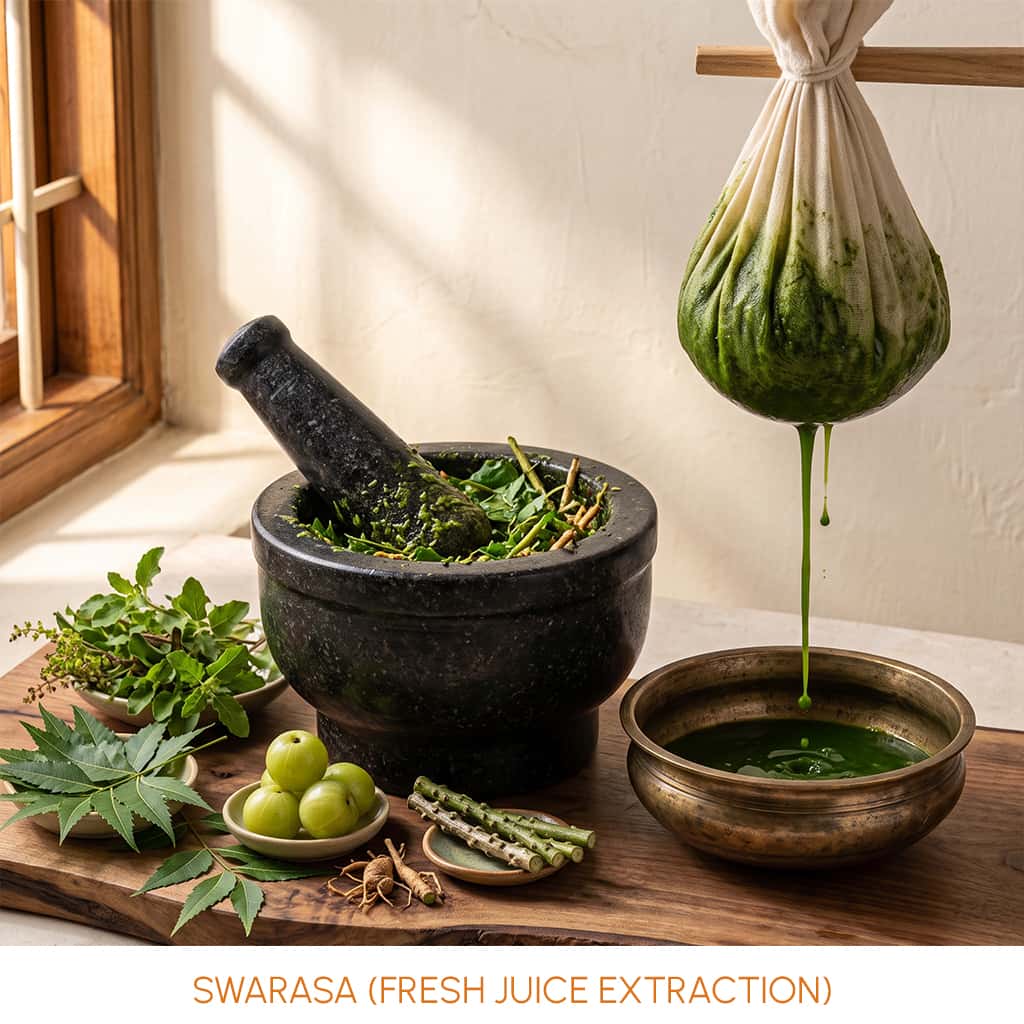
Swarasa (Fresh Juice Extraction)
Plant parts are crushed and the juice extracted directly.
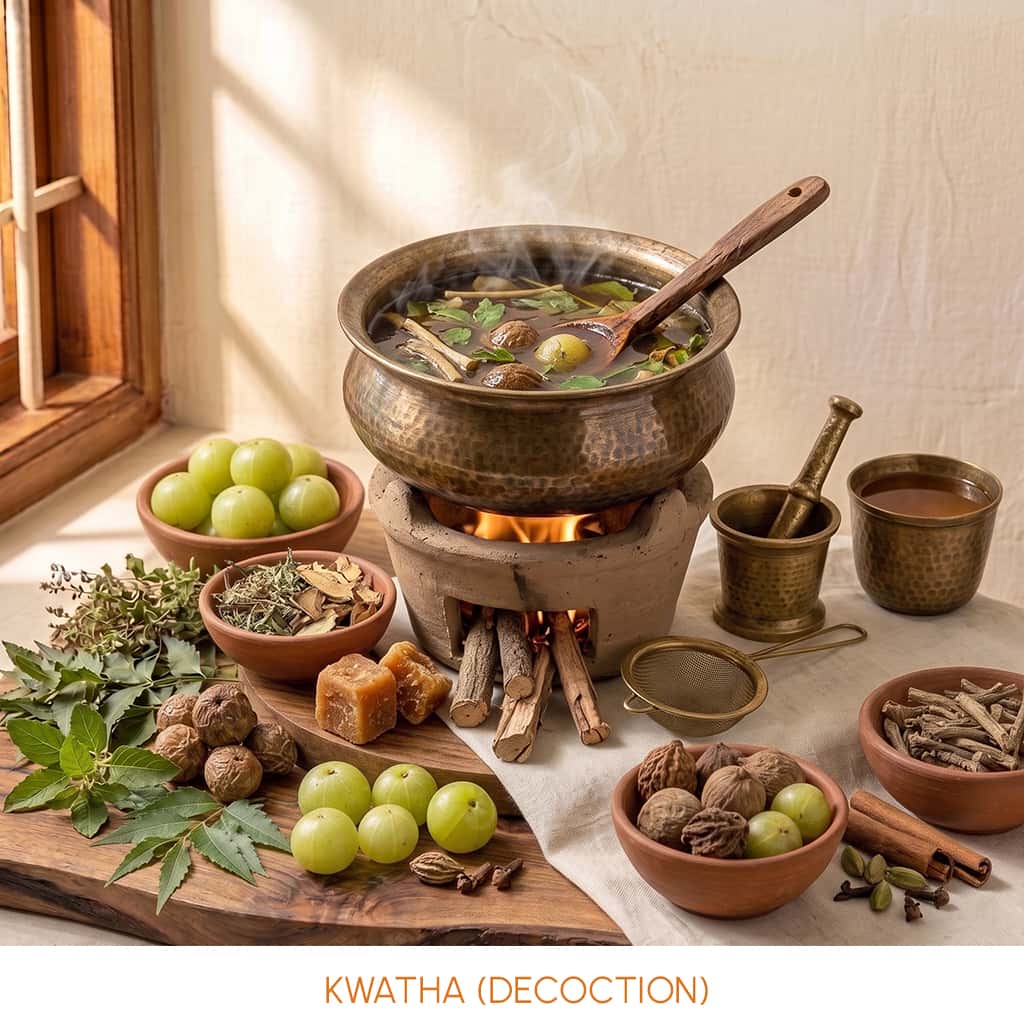
Kwatha (Decoction)
Herbs are boiled down in water to a concentrated liquid.
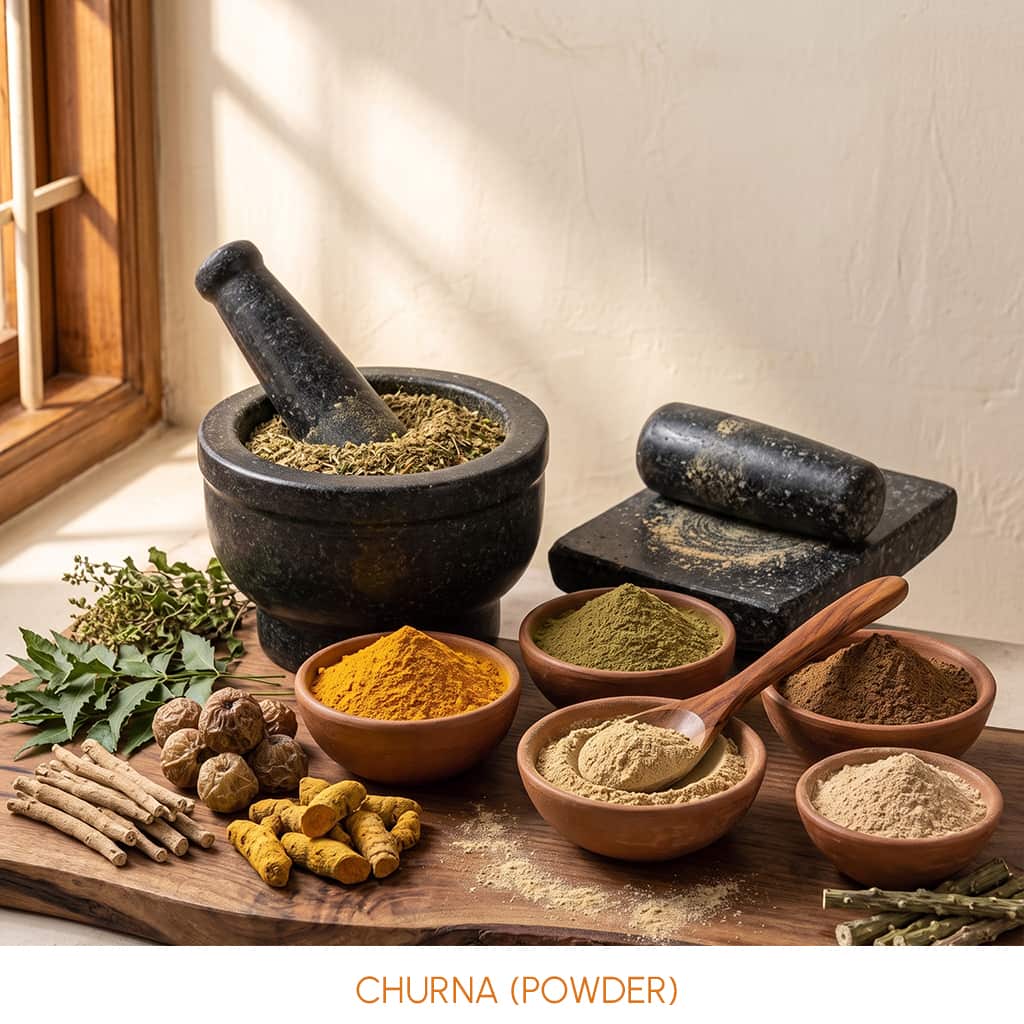
Churna (Powder)
Dried plant parts are ground into fine powder.
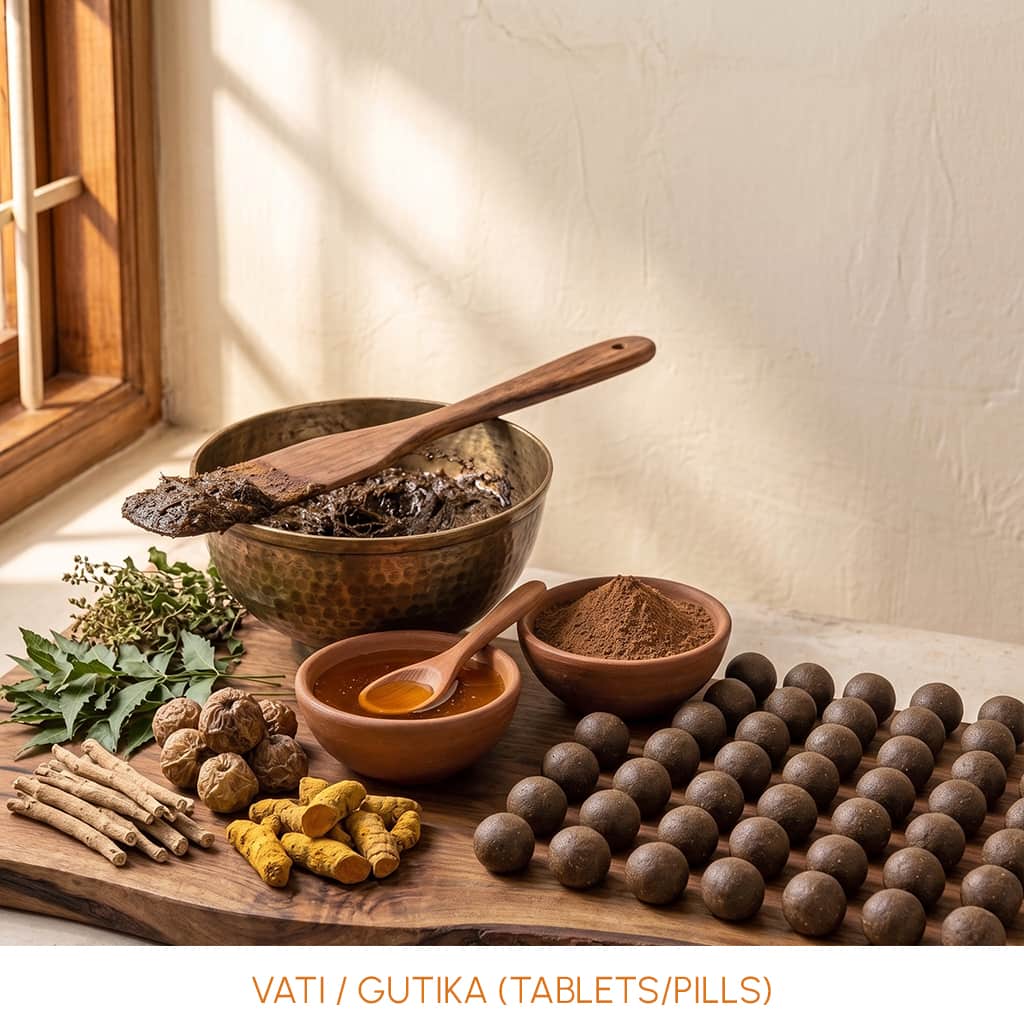
Vati / Gutika (Tablets/Pills)
Powders are bound with binding agents like honey or jaggery into tablet form.
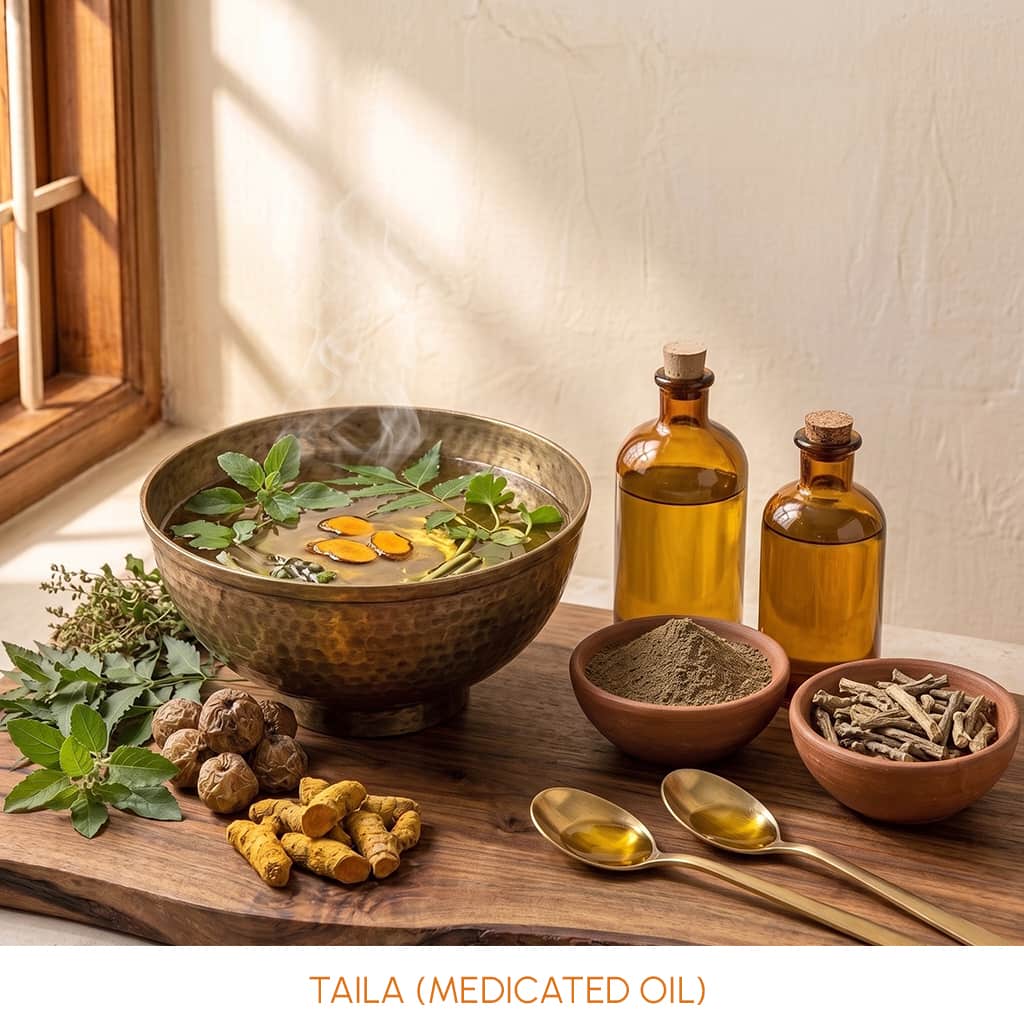
Taila (Medicated Oil)
Herbs are infused into a base oil through prolonged heating, for external or internal use.
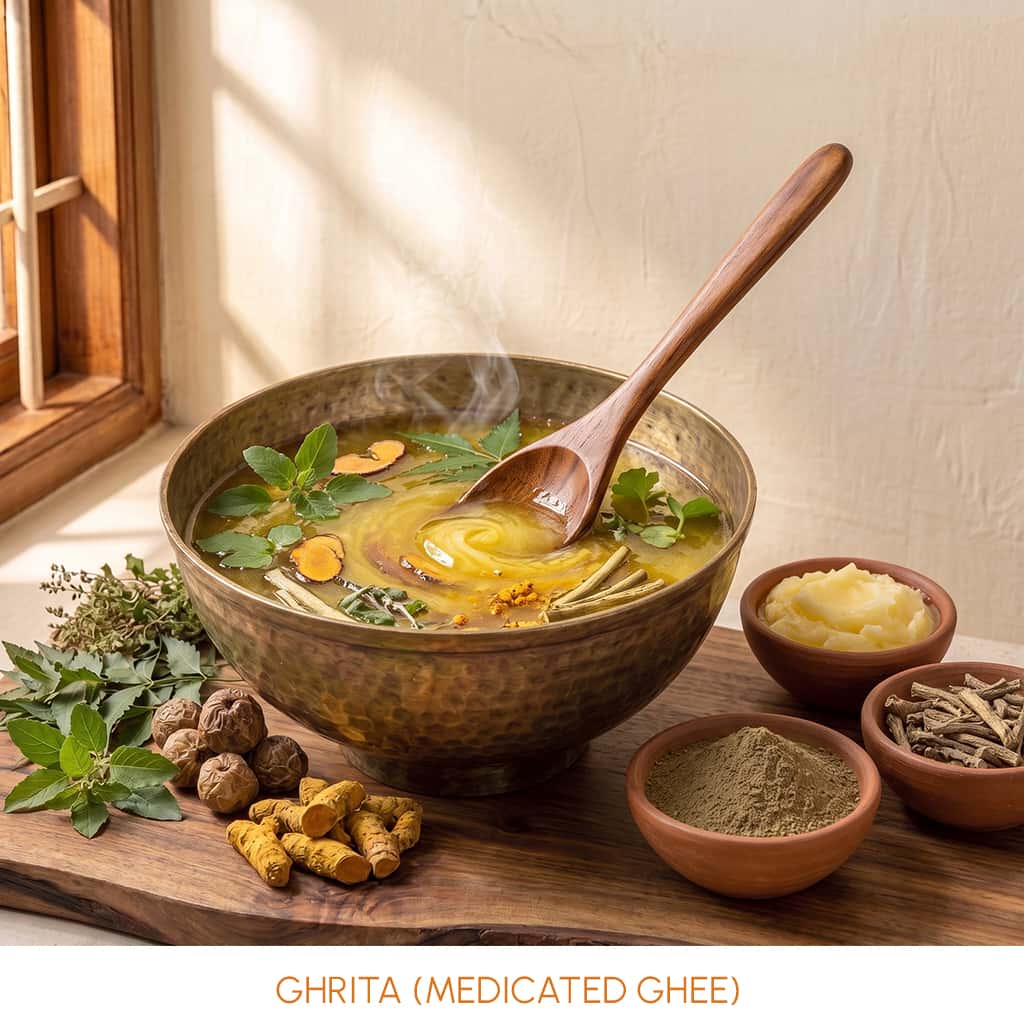
Ghrita (Medicated Ghee)
Herbs are infused into clarified butter, often used for nervous system and rejuvenation formulas.
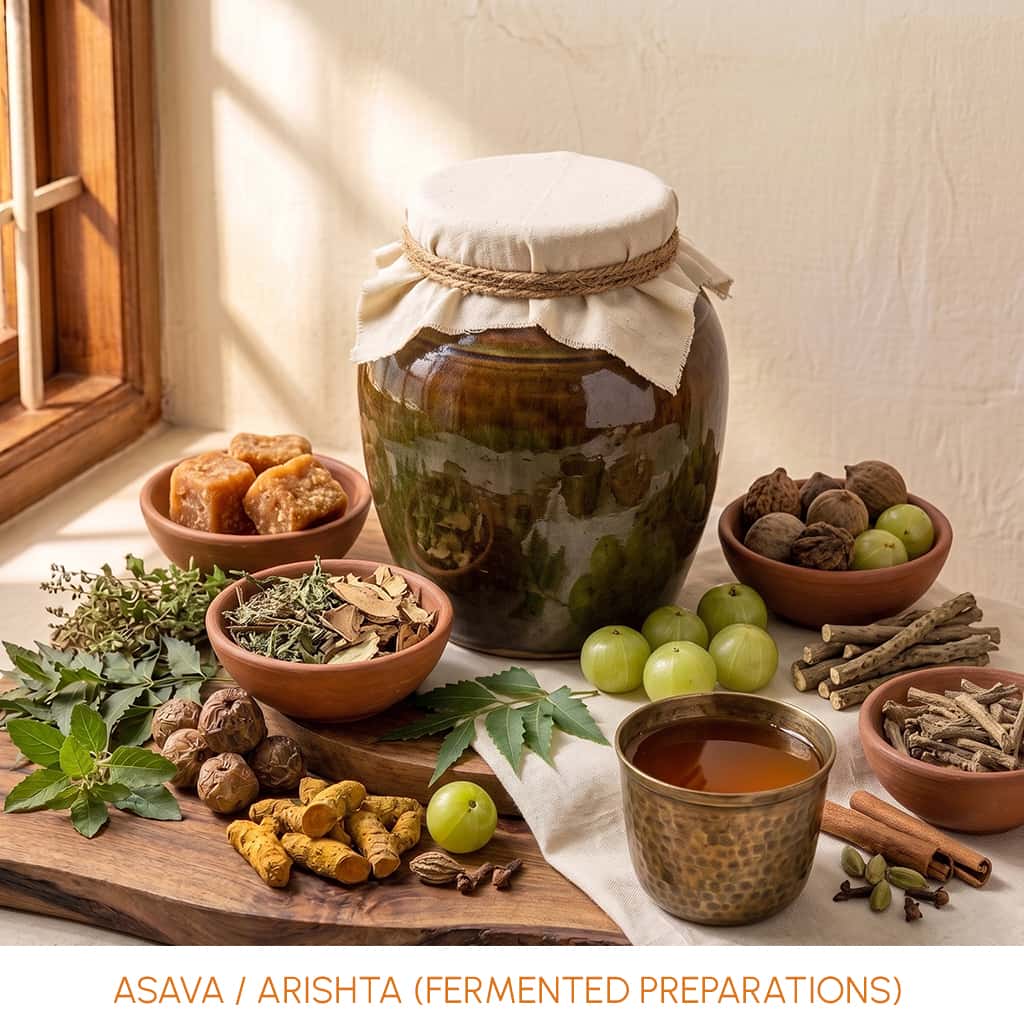
Asava / Arishta (Fermented Preparations)
Herbs are fermented with jaggery/sugar over weeks to months, creating a self-preserved liquid extract.
How Plants Are Prepared for Use
Our Vaidyas
Chintaluru has local practitioners who carry classical Ayurvedic training blended with generations of practical knowledge. They treat seasonal ailments, digestive disorders, skin conditions, and women’s health with preparations made from local plants, following formulations passed down through family lineages.
Their work does not replace the Primary Health Centre – it complements it. In Chintaluru, modern medicine and ancient wisdom sit side by side, both respected, both needed.
My father showed me the plants. His father showed him. The forest around us, the garden at our doorstep — it is all medicine if you know how to see it. This knowledge is our inheritance. It belongs to this village, and we must never let it be forgotten.
”— Traditional Vaidya, Chintaluru